
Salisbury wrongful death attorney — careful representation for Rowan County families after a fatal loss.
Salisbury wrongful-death cases reflect the city’s position on the I-85 corridor between Charlotte and Greensboro and its mix of older walkable downtown, college campuses (Catawba, Livingstone), and surrounding rural Rowan County. Fatal MVAs on I-85 and US-29 drive the volume; medical-care, pedestrian, and rural-roadway fatalities round out the caseload. Cases run through the Rowan County Clerk of Court and Rowan County Superior Court.
No fee unless we win · Personally handled by the attorney · Licensed in NC & SC
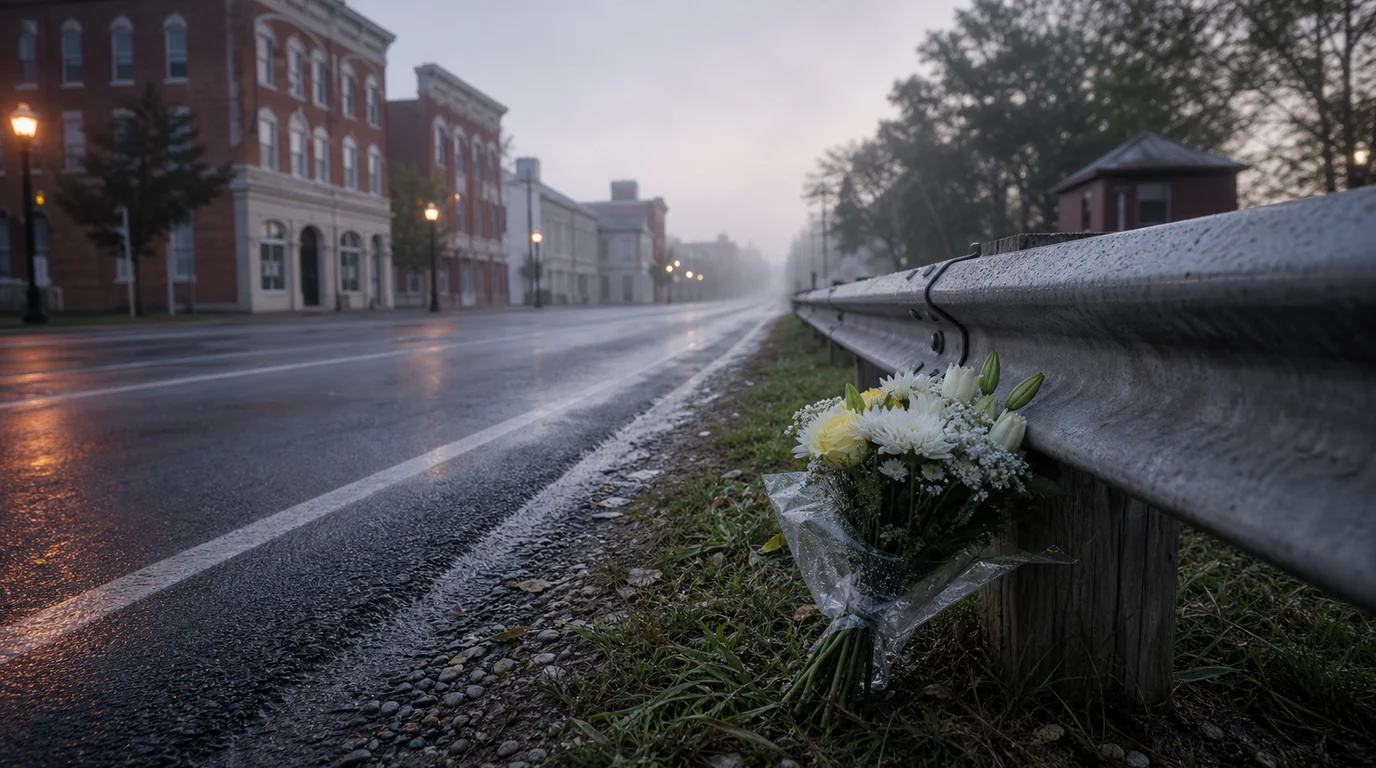

Where Salisbury wrongful-death cases originate
The I-85 corridor through Rowan County — particularly the stretch between exits 74 (NC-152) and 79 (Old Mocksville Road) — produces a heavy share of fatal MVAs. Commercial-vehicle defendants are common; out-of-state drivers are common. Federal motor-carrier regulations apply in commercial-vehicle cases.
US-29 (Salisbury Avenue) running north-south through the city contributes the bulk of the surface-street fatal-MVA volume. Wide, fast arterials, sidewalk gaps, bus-stop placement issues; the fatality cases follow the regional pattern.
The Catawba College and Livingstone College areas contribute a recurring caseload of student-pedestrian fatalities tied to nighttime crossings and weekend traffic. The downtown historic core produces a smaller share of cases with strong driver-fault profiles.
Rural Rowan County produces a steady share of single-vehicle and head-on fatalities tied to the two-lane-highway network connecting Salisbury to surrounding towns — these cases sometimes implicate NCDOT design and maintenance defendants when sight-line, signage, or pavement conditions contributed.
Hospital records and the Rowan County estate file
Severe Salisbury wrongful-death trauma routes through Novant Health Rowan Medical Center for initial care, with transfer to Atrium Health Carolinas Medical Center in Charlotte or Wake Forest Baptist in Winston-Salem for the most severe cases — Salisbury is roughly equidistant from both Level I trauma centers. The Rowan County medical examiner’s autopsy report — when conducted — is obtained through the appropriate records process.
Civil cases file in Rowan County Superior Court in Salisbury. Rowan jurors are accustomed to I-85 commercial-vehicle cases and college-area pedestrian cases; they respond well to engineering and historic-district streetscape evidence. The personal-representative appointment goes through the Rowan County Clerk of Court’s estate division.
How North Carolina’s Wrongful Death Act shapes a Salisbury case
NC’s Wrongful Death Act applies. Salisbury cases concentrate the same federal motor-carrier regulation issues as Statesville cases when commercial vehicles are involved. The I-85 corridor produces a heavy commercial-vehicle fatality caseload; ELD data and dispatch records are routinely critical evidence.
Cases involving Catawba and Livingstone students sometimes implicate college walking-route policies and traffic-management arrangements. The colleges’ pedestrian-safety analyses can support the foreseeability framework in cases that occur on documented walking routes.
Rural Rowan County fatalities sometimes implicate NCDOT design and maintenance defendants when sight-line, signage, pavement, or shoulder conditions contributed. NC’s Tort Claims Act caps and procedural rules apply; notice deadlines are short, which makes early evaluation critical.
Insider perspective on Salisbury cases
The Rowan County defense playbook in college-area wrongful-death cases has one recurring feature: defense counsel often leans heavily on contributory-negligence framing tied to alcohol use in weekend or evening student fatalities. NC law permits the argument. The response is to document the full fault picture — including the at-fault driver’s speed, distraction, impairment, or signal violation — rather than allowing the carrier to frame the case as a one-sided alcohol case. Last clear chance often saves the case in close fact patterns.
Salisbury — common questions
My family member died at Novant Rowan after a wreck. Do we have a wrongful-death case or a malpractice case?
Sometimes both, depending on what happened during care. The first step is obtaining the full medical record and the law-enforcement collision-reconstruction report, then having qualified experts review whether the care contributed. We handle the intake and only proceed with a malpractice theory when expert review supports it.
Catawba or Livingstone student fatality — does the college matter to the case?
Sometimes. College walking-route policies, traffic-management arrangements, and pedestrian-safety analyses can support the foreseeability framework in pedestrian cases. The case generally still proceeds against the at-fault driver as primary defendant; college-related defendants depend on facts.
Rural Rowan County two-lane highway fatality. NCDOT involved?
Sometimes. When sight-line, signage, pavement, or shoulder conditions contributed, NCDOT can be a defendant under the Tort Claims Act — with statutory caps and procedural notice requirements that have to be observed quickly. We evaluate every potential governmental defendant in the first 30 days.
For the full Carolina legal framework
This page covers the local context of wrongful-death cases in Salisbury and Rowan County. For the comprehensive Carolina wrongful-death framework, statutes, estate administration, and the full 15 FAQs — Carolina Wrongful Death Attorney.
Wrongful-death cases in nearby Carolina cities
Tell me what happened in Salisbury.
A free, confidential consultation. No fee unless we win.
Request a consultation 704-741-9399General information about Carolina personal-injury practice; not legal advice. Every case turns on its facts. Reading this page does not create an attorney–client relationship.