
Kannapolis dog bite attorney — for working-class Cabarrus County bite victims.
Kannapolis’s dog-bite cases reflect a working-class Carolina town that’s changing fast as Cabarrus County grows. The historic mill-town neighborhoods sit next to newer residential subdivisions, and the dog populations span established multi-generation family pets to recently-arrived dogs in new neighborhoods. The coverage analysis is different in Kannapolis than in higher-income Concord just south — more renter’s policies, fewer umbrellas, more reliance on primary homeowner’s coverage that’s sometimes maxed out by mid-case. I represent Kannapolis bite victims personally.
No fee unless we win · Personally handled by the attorney · Licensed in NC & SC
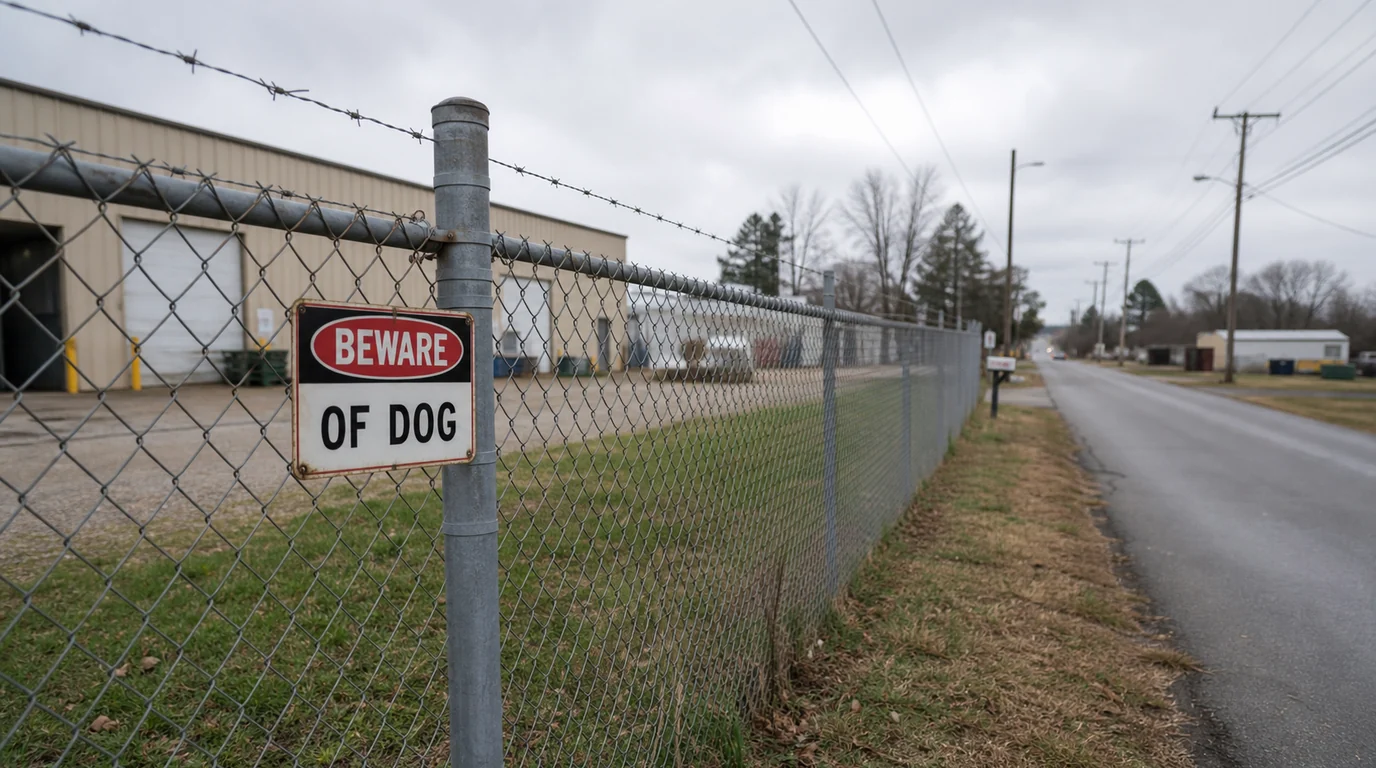

Where Kannapolis dog-bite cases happen
Kannapolis’s bite cases concentrate in its historic neighborhoods — around Cannon Boulevard / NC-3, in the established residential corridors near the old Cannon Mills site, and in the older housing stock along Main Street and the parallel streets. These are established neighborhoods with long-tenured residents and dog populations that often have documented Animal Control histories.
Cabarrus County Animal Control serves Kannapolis the same as Concord, with the same classification and complaint records system. Pulling the file early is part of every case.
Newer-development cases concentrate in the corridors around I-85 exit 60 (Kannapolis Parkway) and the recent subdivisions in the southern part of town. The growth area produces the same "recently-relocated dog without local incident history" case profile that appears in Belmont and Wesley Chapel; pulling records from prior addresses sometimes matters.
A recurring Kannapolis case category is multi-unit-property bites. The town has a meaningful renter population compared to nearby Concord, and renter-owned dogs in apartment complexes and rental houses produce bite cases where renter’s insurance — not homeowner’s — is the primary coverage source. Many renters don’t carry renter’s policies, which leaves the case looking at landlord liability (when prior complaints existed) or the owner’s personal assets.
Wound care and the Cabarrus County court
Kannapolis bite victims who need emergency care typically go to Atrium Health Cabarrus in Concord — the closest full-service hospital. Severe pediatric or complex reconstructive needs sometimes route to Atrium Carolinas Medical Center or Levine Children’s in Charlotte.
Civil cases file in Cabarrus County Superior Court (same as Concord cases). Cabarrus’s docket runs moderately, with a 12–18 month estimate from filing to trial when litigation becomes necessary.
How North Carolina dog-bite law shapes a Kannapolis case
NC’s dog-bite framework applies the same in Kannapolis. One-bite doctrine, statutory liability under Chapter 67, dangerous-dog classification through Cabarrus County Animal Control, and leash-law violations as negligence-per-se anchors. Kannapolis’s own city ordinances on leash and restraint can support negligence-per-se theories when violated.
The Kannapolis-specific dynamic is the coverage analysis. Working-class neighborhoods produce more renter cases than the higher-income suburbs around it. When the at-fault owner is a renter without renter’s insurance, the recovery sources shrink quickly: landlord liability becomes the next option (viable when documented prior complaints existed), and then the owner’s personal assets — which on most working-class cases are limited.
The leverage point is identifying every available coverage source carefully. We often find renter’s policies that the owner forgot they had, landlord coverage that the carrier didn’t volunteer, and umbrella policies bundled with auto insurance that the owner didn’t know covered dog liability.
Insider perspective on Kannapolis cases
The coverage analysis on Kannapolis cases takes more time than the legal analysis. On a working-class case, the difference between a recovery and a no-recovery outcome is often whether anyone identified that the dog owner’s parents (who they live with, or who own the property) carry homeowner’s coverage that responds, or whether an auto-insurance umbrella with the right language extends to dog liability, or whether a landlord’s policy covers when the landlord was on notice. None of those happen by default in adjuster handling; they happen when counsel asks the right questions and pulls the policies.
Kannapolis — common questions
The dog’s owner is a renter without insurance. Is my case dead?
Not necessarily. Several other coverage sources may apply: the landlord’s policy (if there was prior notice of the dog’s danger), the policy of any household relative the owner lives with, an auto-insurance umbrella that extends to non-auto liability, or homeowner’s coverage on a property the owner owns elsewhere. Each source has to be investigated separately.
What if the apartment complex knew about the dog and did nothing?
Landlord liability is a real angle when the landlord had notice of the dangerous dog (prior bite complaints, animal-control violations, written tenant complaints) and didn’t take action. The landlord’s commercial-property general-liability policy is the recovery source. Documentation of the landlord’s prior knowledge is critical.
My bite happened at a multi-unit property. Does that affect the case?
It can change the parties analysis (potential landlord liability) and the coverage analysis (renter’s vs. landlord’s policies). The bite victim’s legal rights are the same as in a single-family case; the recovery sources are sometimes more varied.
For the full Carolina legal framework
This page covers the local context of Kannapolis dog-bite cases. For the comprehensive Carolina dog-bite legal framework, Carolina Dog Bite Attorney.
Dog-bite cases in nearby Carolina cities
Tell me what happened in Kannapolis.
A free, confidential consultation. No fee unless we win.
Request a consultation 704-741-9399General information about Carolina personal-injury practice; not legal advice. Every case turns on its facts. Reading this page does not create an attorney–client relationship.