
Monroe drunk driving accident attorney — for Union County victims and families.
Monroe’s drunk-driving caseload concentrates on US-74, the four-lane highway through the city, with smaller volumes spread across the agricultural and rural-residential corridors that define Union County outside the western exurb growth zone. The civil framework runs the standard NC structure. The evidence work and witness universe differ from urban-Mecklenburg cases in ways that affect the early case strategy.
No fee unless we win · Personally handled by the attorney · Licensed in NC & SC
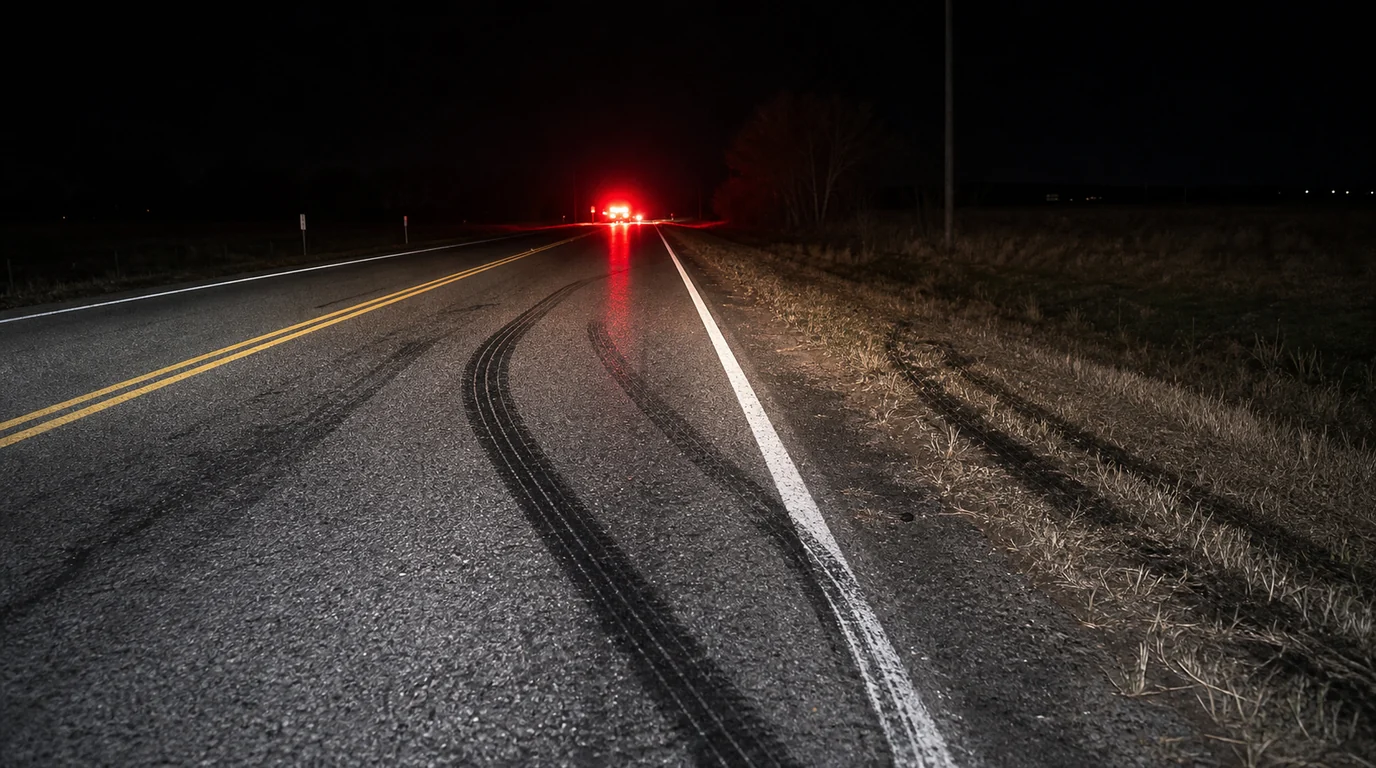

Where Monroe drunk-driving crashes happen
US-74 (Roosevelt Boulevard / Independence Boulevard) through Monroe and out toward Indian Trail produces the largest single share of Union County DUI cases. The corridor pattern is consistent across the state: long, wide, fast arterial, with the late-night hours generating the impaired-driving caseload that sustains itself nightly. Hit-and-run rates are elevated on this corridor; UM coverage is the threshold question on a meaningful share of intakes.
The commercial venue clusters along US-74 — restaurants, bars, hotel bars, and the small retail strip serving the corridor — produce negligent-service-theory cases when the facts support them. The corridor also generates rideshare-handoff cases (impaired patrons leaving bars with rideshare drivers who get pulled into civil cases as defendants on rare occasions).
The rural Union County back-road network — the corridors east, south, and southeast of Monroe extending into Anson County — produces a steady share of single-vehicle and head-on impaired-driving cases. Witness availability is often limited; toxicology and reconstruction carry the case.
The Highway 75 / Stallings Road exurb-growth corridor running west toward Mecklenburg County produces a recurring stream of commuter impaired-driving cases — impaired drivers commuting between Mecklenburg employment and Union County residences late at night.
Trauma care and the Union County criminal/civil overlap
Severe Monroe DUI crashes route to Atrium Health Union for initial trauma stabilization, with transfer to Atrium Health Carolinas Medical Center in Charlotte for the most severe cases. The Atrium Union–Atrium CMC pathway is well-documented in the records.
The civil case files in Union County Superior Court and proceeds in parallel with the criminal case. Union County juries see a steady share of US-74 impaired-driving cases and are receptive to thorough toxicology and reconstruction evidence.
How North Carolina law shapes a Monroe DUI civil case
NC’s civil DUI framework applies. Negligence per se on the conviction, punitive damages on the willful-conduct standard, UM/UIM stacking as the principal recovery vehicle when the at-fault driver had minimum or no coverage.
Commercial-vehicle DUI cases on US-74 implicate federal motor-carrier zero-tolerance standards. The ELD data, dispatch records, post-accident drug-and-alcohol testing files, and driver-qualification files are preservable evidence under federal regulation. Preservation letters in the first week prevent routine destruction.
NC’s common-law negligent-service theory applies in Monroe cases the same as elsewhere. The US-74 establishment cluster is a recurring negligent-service-theory zone; service records and surveillance overwrite quickly, which makes early preservation critical.
Insider perspective on Monroe cases
The Union County defense playbook in DUI civil cases has one consistent feature in rural-corridor cases: defense counsel often delays production of toxicology and law-enforcement reconstruction records, hoping the plaintiff side settles before the full liability picture is developed. The response is to obtain the law-enforcement file directly through public-records processes and the toxicology records through subpoena rather than waiting for defense production. Most NC law-enforcement agencies produce these records within reasonable timeframes when requested correctly.
Monroe — common questions
My family member was killed by an impaired driver on US-74 in Monroe. What evidence matters in the first 30 days?
The law-enforcement collision-reconstruction report, the toxicology results (BAC, drug screen), the EMS records and hospital clinical-impairment indicators, the vehicle event-data-recorder downloads, the at-fault driver’s phone records and rideshare-app activity, and any surveillance footage from venues in the corridor where the impaired driver may have been served. We start work on each track within days of being retained.
The at-fault driver was a commercial-vehicle operator who was impaired. Different rules?
Yes — federal motor-carrier zero-tolerance applies, the carrier’s post-accident drug-and-alcohol testing is required and preservable, and the carrier itself has direct liability for hiring, retention, and training failures. The recovery universe is materially broader than personal-vehicle DUI cases.
My case is on a rural Union County back road with no witnesses. Workable?
Usually yes. NC law-enforcement reconstruction reports, toxicology evidence, vehicle event-data-recorder downloads, and scene-physics analysis can build a strong liability picture without witnesses. The criminal-side BAC evidence is decisive in most cases.
For the full Carolina legal framework
This page covers the local context of drunk-driving cases in Monroe and Union County. For the comprehensive Carolina civil framework and the full 15 FAQs — Carolina Drunk Driving Accident Attorney.
Drunk-driving cases in nearby Carolina cities
Tell me what happened in Monroe.
A free, confidential consultation. No fee unless we win.
Request a consultation 704-741-9399General information about Carolina personal-injury practice; not legal advice. Every case turns on its facts. Reading this page does not create an attorney–client relationship.