
Gastonia Nursing Home Abuse Lawyer
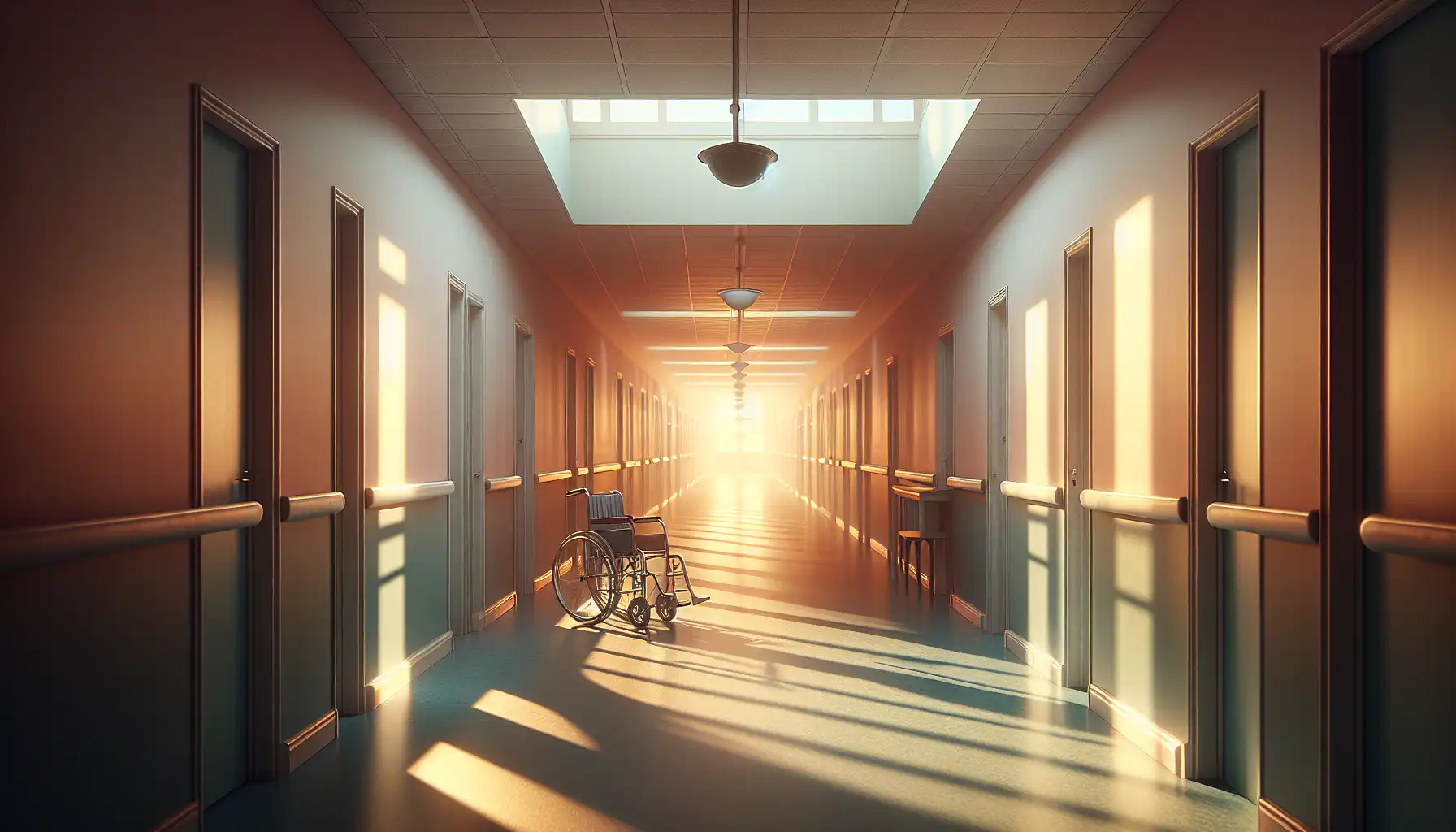
Gaston County sits in a difficult space on the healthcare map. Close enough to Charlotte that younger nurses and CNAs commute east for higher-paying hospital jobs, but far enough from the city center that Gastonia-area nursing homes struggle to compete for qualified staff. The result is a persistent recruitment crisis in local long-term care facilities that directly translates into dangerous staffing shortages. When a nursing home in Gastonia cannot fill its CNA positions, the residents who depend on those aides for basic daily care are the ones who suffer. Missed meals, delayed medication rounds, and residents left in soiled clothing for hours are not isolated incidents in understaffed facilities. They are the daily reality.
Ryan Duffy works out of Belmont, just fifteen minutes down Wilkinson Boulevard from Gastonia, and Gaston County families are among the most frequent callers to his office about nursing home concerns. If your mother, father, or grandparent has been harmed in a Gastonia-area facility, the Law Office of Ryan P. Duffy will evaluate your claim at no charge and match you with attorneys who handle these cases against long-term care operators throughout western North Carolina.
Injured? Get a Free Case Evaluation Today.
Why Gaston County Nursing Homes Cannot Keep Qualified Staff
The nursing shortage in Gaston County is not just about pay, though pay is a significant factor. CNAs at Gastonia nursing facilities typically earn between fourteen and seventeen dollars per hour. A CNA can drive thirty minutes to a Charlotte hospital system and earn twenty-two dollars per hour with better benefits, more predictable schedules, and a less physically demanding patient load. Licensed practical nurses face the same calculation. The math is simple, and the talent flows toward Charlotte.
What remains in many Gaston County facilities is a skeleton crew of dedicated but overwhelmed aides working alongside temporary staffing agency workers who have no familiarity with the residents, the facility’s systems, or the specific care plans of the people they are supposed to be caring for. Agency staff are expensive for the facility, which means the facility is spending more per hour on temporary workers while still providing worse care than a fully staffed permanent team would deliver. This is not a theoretical problem. When a temporary CNA does not know that Mrs. Johnson in Room 214 is a fall risk who needs a two-person transfer, and she falls while the agency aide attempts to move her alone, that fall is a direct consequence of the facility’s staffing failure.
Gaston County’s smaller population also limits the pipeline of new healthcare workers. Local training programs at Gaston College produce graduates, but many of those graduates leave the county for better opportunities before they ever work a shift at a local nursing home. Facilities that cannot offer competitive wages, reasonable workloads, and adequate training find themselves in a permanent staffing deficit that compromises every aspect of resident care.

When Residents Miss Medical Appointments Because the Facility Cannot Get Them There
A nursing home resident’s care does not begin and end within the facility walls. Many residents require regular appointments with specialists, dialysis centers, oncologists, wound care clinics, and other outside providers. In Gastonia, transportation to these appointments often falls through the cracks. Facilities are responsible for arranging non-emergency medical transportation for their residents, but when the contracted transport service cancels, when the facility forgets to schedule the pickup, or when there simply are not enough staff members available to prepare the resident for transport and accompany them to the appointment, the resident misses critical medical care.
Missed dialysis sessions can become life-threatening within days. Skipped wound care appointments allow infections to progress unchecked. Canceled follow-ups after a hospitalization mean that the resident is not being monitored for complications. In each of these situations, the facility had a duty to ensure the resident received the prescribed medical care, and its failure to arrange reliable transportation constitutes neglect under North Carolina law. Families often discover these missed appointments only when their loved one’s condition deteriorates and they start digging into the medical records.
The problem is compounded in Gaston County because many specialists are located in Charlotte rather than locally. A round trip to a Charlotte specialist’s office requires significant coordination, and facilities operating with minimal staff often treat outside appointments as an inconvenience rather than a medical necessity. Ryan has reviewed cases where residents missed multiple consecutive specialist appointments because the facility failed to arrange transportation, and the resident’s family was never informed of the missed visits until a medical emergency made the neglect impossible to hide.
How North Carolina Law Applies to Nursing Home Neglect in Gaston County
North Carolina’s Nursing Home Patients’ Bill of Rights (N.C. Gen. Stat. 131E-117) guarantees every resident the right to adequate and appropriate medical care, including access to prescribed treatments and specialist appointments. A facility that systematically fails to transport residents to necessary medical appointments is violating this statutory right. Proving the claim requires documentation of the missed appointments, the medical consequences of those missed appointments, and evidence that the facility was responsible for arranging the transportation.
North Carolina’s pure contributory negligence standard means that if the facility can show the resident bore any fault for their own harm, the claim fails entirely. In transportation neglect cases, this defense is rarely viable because the resident has no control over whether the facility schedules and completes the transport. The statute of limitations is three years for personal injury claims and two years for wrongful death. When a missed medical appointment leads to a death that could have been prevented with timely treatment, the family may pursue a wrongful death claim against the facility. Punitive damages may be available where the facility’s failure was part of a pattern of deliberate cost-cutting or willful indifference to resident welfare.

What Gaston County Families Should Do When They Suspect Neglect
Request a complete copy of your loved one’s medical records, including the care plan, physician orders, and any documentation of outside appointments, scheduled and completed. Compare the scheduled specialist visits against what actually occurred. Look for gaps where appointments were ordered but never took place. Ask the facility for its transportation logs to see whether rides were requested and whether they were fulfilled. Photograph any signs of physical deterioration. File a complaint with the NC Division of Health Service Regulation at 1-800-624-3004 and ask for an investigation. Do not give the facility advance notice that you are gathering evidence. Call an attorney before the facility has time to reconstruct missing records or alter its documentation.
How Ryan Duffy Helps Gaston County Families Navigate These Cases
Ryan evaluates nursing home neglect claims for families throughout Gaston County at no charge. His office is in Belmont, and he is deeply familiar with the facilities and healthcare landscape in this area. When a case involves understaffing, missed medical care, or transportation failures, Ryan connects the family with litigation attorneys who have the medical experts and nursing care consultants needed to prove that the facility’s failures caused the resident’s injuries. The family pays nothing for this evaluation or referral. Ryan stays involved throughout the process to make sure the family’s questions are answered and their interests are protected.
Frequently Asked Questions
If a medication error harmed my loved one, who is liable?
The facility bears primary responsibility for medication administration. If the error occurred because the facility was understaffed and the nurse handling medications was covering too many residents, the facility’s staffing decisions are the root cause. Depending on the circumstances, liability may also extend to the prescribing physician, the dispensing pharmacy, or any staffing agency that provided the nurse who made the error. An attorney experienced in nursing home medication cases will investigate the full chain of events to identify every responsible party.
Can a family member serve as a witness in a nursing home abuse case?
Yes. Family members are often the most important witnesses in nursing home cases because they visit regularly and can testify to changes in the resident’s condition over time. Photographs taken during visits, notes about conversations with staff, and observations about the facility’s cleanliness and staffing levels all constitute valuable evidence. Family testimony about the resident’s condition before admission compared to their condition during the stay can powerfully demonstrate the decline caused by facility negligence.
How do I report a Gastonia nursing home to the NC Division of Health Service Regulation?
Call the NC DHSR Complaint Intake Unit at 1-800-624-3004 or file a complaint online through the DHSR website. Provide as much specific detail as possible, including the facility name, the resident’s name, dates of incidents, names of staff involved, and a description of the neglect or abuse. DHSR will assign an investigator who may conduct an unannounced survey of the facility. The investigation findings become part of the public record and can serve as evidence in a civil lawsuit. Filing a regulatory complaint does not prevent you from also pursuing a legal claim for compensation.
Concerned About a Loved One? Free Case Evaluation
The Law Office of Ryan P. Duffy evaluates nursing home abuse and neglect cases and connects you with specialized attorneys at no additional cost.
Call us at 704-741-9399 or contact us online to get started.
The information on this page is for general educational purposes and does not constitute legal advice. Every case is different. Past results do not guarantee future outcomes. Contact our office for a free consultation to discuss the specifics of your situation.
Related Pages
Explore nearby pages for this city and practice area.