

Concord Nursing Home Abuse Lawyer

Concord has been one of the fastest-growing cities in North Carolina for the past two decades. New neighborhoods, shopping centers, and schools have reshaped the Cabarrus County landscape. What has not kept pace is the infrastructure for caring for the county’s aging population. The senior population in Concord is growing rapidly as early transplants to the area age in place, but the number of quality long-term care beds has not expanded at the same rate. The result is a shortage that gives existing facilities leverage: high demand means full beds, and full beds mean facilities can operate at maximum occupancy without the competitive pressure that would otherwise force them to improve staffing and care quality.
If someone you love has been harmed in a Concord-area nursing home or assisted living facility, the Law Office of Ryan P. Duffy will review the circumstances at no cost. Ryan connects Cabarrus County families with attorneys who specialize in nursing home litigation and understand the specific pressures that growth-area facilities face.
Injured? Get a Free Case Evaluation Today.
When Growth Outpaces Elder Care: Concord’s Capacity Problem
The population of Cabarrus County has grown by more than thirty percent since 2010, and the sixty-five-and-older demographic is the fastest-growing segment. Developers have built thousands of new homes in Concord, Harrisburg, and the surrounding area, but the construction of new nursing facilities and skilled nursing beds has lagged far behind. The facilities that exist are operating at or near full capacity, and families searching for placement often discover that their options are limited to facilities with mediocre inspection records or long waitlists at better-rated facilities.
This imbalance creates a dangerous dynamic. When every bed is filled and there is a waitlist of prospective residents ready to take any opening, a facility faces no economic consequence for providing substandard care. A family that files a complaint or threatens legal action can be replaced by the next name on the waitlist. The facility has no incentive to invest in additional staff, upgrade its training programs, or address the systemic problems that lead to resident harm. Families in this position feel trapped: they know the care is inadequate, but they cannot find a better alternative within a reasonable distance.
Concord’s growth has also strained the local healthcare workforce. Nursing homes compete for CNAs and LPNs not only with other facilities but with urgent care clinics, physician offices, home health agencies, and the Atrium Health Cabarrus hospital system, all of which have expanded alongside the population. The healthcare workers who do choose nursing home employment are spread thinner than ever, covering more residents per shift with less support from management.
New Buildings Do Not Guarantee Safe Environments
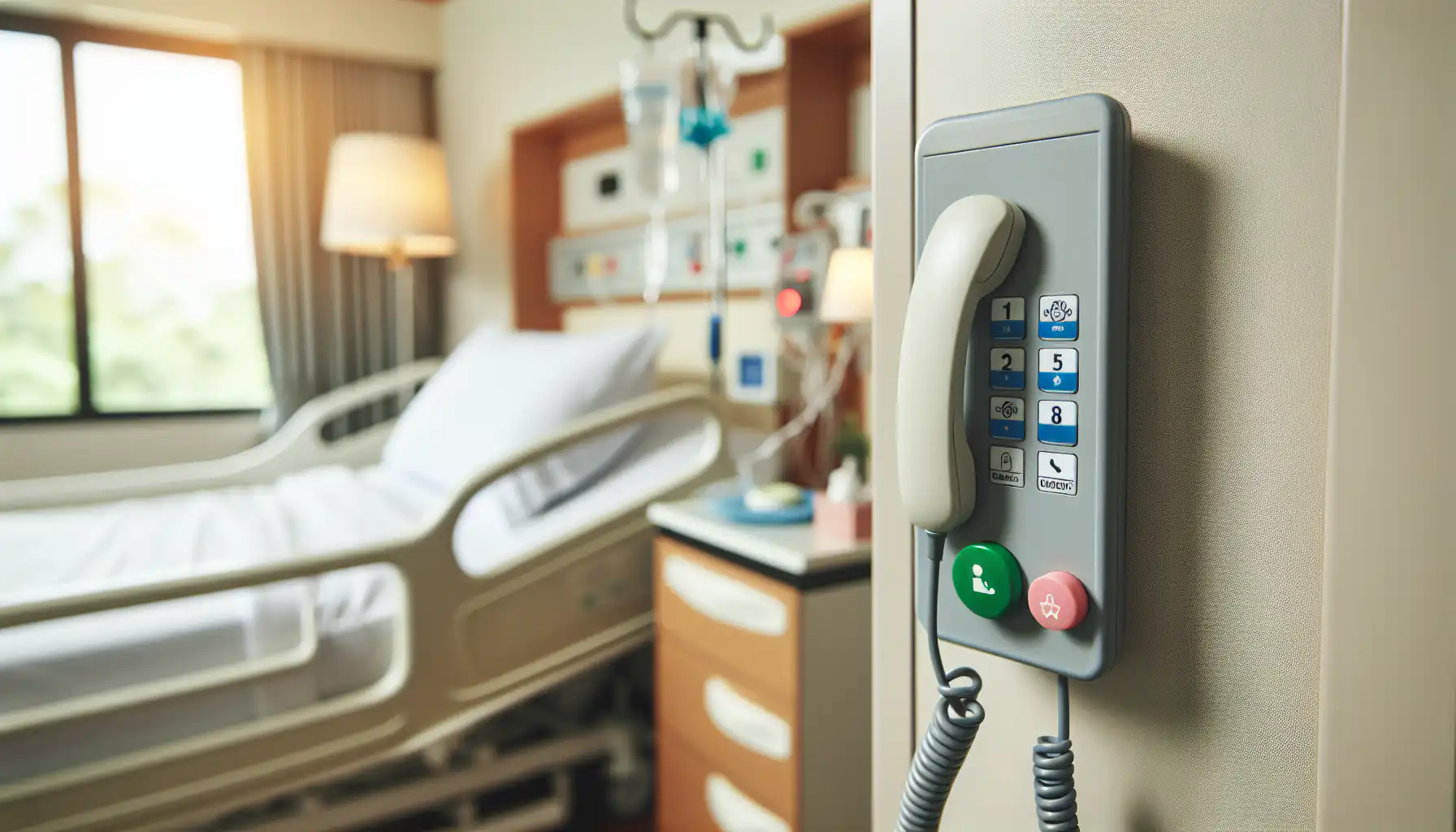
Families touring a recently constructed Concord nursing facility see gleaming hallways, modern furniture, and brochure-worthy common areas. What they do not see is the staffing schedule, the training records, or the incident report binder. A building opened in the last five years can have the same staffing deficiencies, the same fall prevention failures, and the same care plan violations as a facility built in the 1980s. The age of the building has nothing to do with the quality of care delivered inside it.
Fall prevention is a case in point. Newer facilities in the Concord area are designed with wider hallways, handrails, non-slip flooring, and modern call light systems. These features reduce but do not eliminate fall risk. The most common cause of nursing home falls is not a slippery floor or a missing handrail. It is a staffing failure: a resident who needed assistance getting out of bed pressed the call light and waited fifteen minutes for a response, then attempted the transfer alone and fell. A resident whose care plan called for a bed alarm was not monitored because the aide responsible for her hall was also covering the hall next door. A resident prescribed a medication that causes dizziness was not assessed for fall risk after the new prescription was added.
The fact that these failures occur in a brand-new building makes them harder for families to accept, but it does not make them less common. Ryan has reviewed cases from recently opened Cabarrus County facilities where residents suffered serious fall injuries within weeks of admission, and the root cause in every case was not a building defect but an operational failure: understaffing, inadequate training, or a care plan that existed on paper but was not being followed on the floor.
North Carolina’s Legal Standards for Concord Nursing Home Claims
Under N.C. Gen. Stat. 131E-117, every nursing home resident in North Carolina has the right to adequate and appropriate care, the right to be free from abuse, and the right to have their care plan followed. When a facility’s operational decisions, including its staffing levels, training programs, and care plan compliance, cause harm to a resident, the facility has breached its legal duty. The care plan itself is often the most powerful piece of evidence because it documents exactly what the facility committed to doing, and the medical records reveal whether those commitments were actually fulfilled.
North Carolina’s pure contributory negligence rule allows a facility to argue that the resident caused or contributed to their own injury. In fall cases, this typically means arguing that the resident chose to get out of bed without pressing the call light. Overcoming this defense requires evidence that the resident had cognitive impairment, that the call light response time was so long that waiting was not a realistic option, or that the facility’s own failure to implement fall prevention measures made the fall inevitable. The statute of limitations is three years for personal injury and two years for wrongful death. Punitive damages may apply when the facility acted with willful or wanton disregard for resident safety.

Responding to Suspected Abuse or Neglect in a Concord Facility
Obtain the resident’s care plan and compare it against what is actually happening during your visits. If the care plan calls for repositioning every two hours and your loved one has a new pressure ulcer, the facility is not following its own plan. Request the medication administration records and look for missed doses or timing irregularities. Photograph every injury and the condition of the room. Write down dates, times, and the names of staff. File a complaint with NC DHSR at 1-800-624-3004. Contact an attorney before the facility has time to revise its records or prepare a defensive narrative.
How Ryan Duffy Serves Cabarrus County Families
Ryan understands that families in growing communities like Concord often feel they have nowhere else to turn because alternative placement options are so limited. That sense of powerlessness is exactly what facilities count on. Ryan evaluates nursing home abuse and neglect claims at no charge and connects Cabarrus County families with litigation attorneys who will hold the facility accountable regardless of how full their beds are or how new their building is. The evaluation and referral cost the family nothing, and Ryan remains available throughout the process to ensure the family’s concerns are addressed.
Frequently Asked Questions
Can a nursing home’s failure to prevent a wrongful death lead to a lawsuit even if the resident was elderly and frail?
Absolutely. The fact that a resident was elderly or in declining health does not excuse the facility from its duty to provide adequate care. If the facility’s negligence accelerated the resident’s death or caused a death that would not have occurred when it did, the family has a viable wrongful death claim under North Carolina law. The two-year statute of limitations runs from the date of death, not the date of the negligent act, so families should seek legal counsel promptly.
What are bed rail entrapment injuries and who is responsible?
Bed rail entrapment occurs when a resident becomes wedged between the mattress and the bed rail, or between sections of a split rail, leading to suffocation, strangulation, or serious injury. The FDA has documented hundreds of deaths from bed rail entrapment. The facility is responsible because bed rails are classified as restraints under federal regulations and require a physician’s order, an individualized risk assessment, and regular monitoring. If a facility uses bed rails without proper authorization or fails to use mattress gap fillers and other safety devices, it is liable for any resulting injury.
How do I identify red flags in a Concord nursing home’s inspection reports?
Search for the facility on CMS Care Compare at medicare.gov/care-compare. Click on the health inspections tab to see recent survey results and any deficiency citations. Look for citations related to staffing levels, fall prevention, infection control, and medication management. Pay particular attention to citations categorized as causing actual harm or immediate jeopardy, which indicate the most serious deficiencies. Repeat citations for the same issue across multiple surveys suggest a systemic problem that the facility has not corrected.
Concerned About a Loved One? Free Case Evaluation
The Law Office of Ryan P. Duffy evaluates nursing home abuse and neglect cases and connects you with specialized attorneys at no additional cost.
Call us at 704-741-9399 or contact us online to get started.
The information on this page is for general educational purposes and does not constitute legal advice. Every case is different. Past results do not guarantee future outcomes. Contact our office for a free consultation to discuss the specifics of your situation.
Related Pages
Explore nearby pages for this city and practice area.