

Your loved one was killed because of someone else’s negligence. You want justice. You want accountability. You want to file a wrongful death lawsuit. But in North Carolina, there’s a rule that surprises almost every family I work with: you probably can’t file that lawsuit yourself — even if you’re the spouse, parent, or child of the person who died.
North Carolina has one of the most restrictive wrongful death filing rules in the country. Only the personal representative of the deceased person’s estate can bring a wrongful death claim. Not the surviving spouse. Not the adult children. Not the parents. Understanding this rule — and acting on it quickly — is one of the most important steps a grieving family can take.

In NC, only the estate’s personal representative can file a wrongful death lawsuit — and most families don’t know this until it’s almost too late.
North Carolina’s wrongful death statute explained
The law governing wrongful death in North Carolina is NCGS 28A-18-2. It’s short, but it controls everything about who can file, when they can file, and what damages can be recovered.
The statute says that a wrongful death action must be brought by the “personal representative” of the decedent’s estate. That’s a specific legal term. It refers to the person appointed by a court to manage the affairs of someone who has died. In legal terms, this person is sometimes called the executor (if there’s a will) or the administrator (if there isn’t one).
This is different from most states. In many states, the surviving spouse, children, or parents can file a wrongful death lawsuit directly. In North Carolina, none of them can — not individually, not as a group. Only the personal representative, acting on behalf of the estate.
Who is the personal representative?
If the deceased person left a will, the will usually names an executor. That person becomes the personal representative once the will is admitted to probate and the court formally appoints them.
If there’s no will — which is common, especially with sudden deaths — the court appoints an administrator. North Carolina’s intestacy laws (NCGS Chapter 28A) determine who has priority to be appointed administrator. The general priority order is:
1. The surviving spouse
2. Any other person the surviving spouse nominates
3. An adult child or children of the deceased
4. A parent of the deceased
5. A sibling of the deceased
6. Any next of kin who would inherit under intestacy laws
7. A creditor of the estate
8. Any other qualified person the court deems appropriate
In practice, the surviving spouse or an adult child is usually appointed. But the appointment doesn’t happen automatically. Someone has to go to the clerk of superior court in the county where the deceased person lived and petition to be appointed.
How to get appointed as personal representative
The process involves filing paperwork with the clerk of superior court in the county where the deceased person was domiciled at the time of death. You’ll need to provide:
A certified copy of the death certificate. Information about the deceased’s assets, debts, and heirs. The original will, if one exists. Your own identification and information.
The clerk will review the application, confirm you have priority to serve, and issue “letters testamentary” (if there’s a will) or “letters of administration” (if there isn’t). These letters are your formal authority to act on behalf of the estate — including filing a wrongful death lawsuit.
The process can sometimes be completed in a single visit to the courthouse, though complications like contested wills, multiple people seeking appointment, or out-of-state issues can slow things down.
Ryan’s Insider Perspective
When I represented defendants in wrongful death cases, one of the first things I checked was whether the personal representative had been properly appointed. If the family filed a lawsuit without going through the appointment process, we’d move to dismiss — and we’d win. I’ve seen families lose months of time because no one told them about this requirement. Now I make sure my clients get the appointment handled before anything else.
Why this matters for the statute of limitations
Here’s where the urgency comes in. North Carolina’s statute of limitations for wrongful death is two years from the date of death (NCGS 1-53(4)). That clock starts running on the day the person dies — not when a personal representative is appointed.
If no one is appointed as personal representative before the two-year deadline, the right to file a wrongful death lawsuit is lost forever. It doesn’t matter how clear the negligence was or how devastating the loss. Miss the deadline, and the case is over.
I’ve consulted with families who came to me 18 months after a death, thinking they had plenty of time. Once we factor in the time needed to get appointed, gather evidence, and prepare the lawsuit, those remaining months disappear fast. If you’ve lost someone due to negligence, starting the process early gives your attorney the time needed to build the strongest possible case.
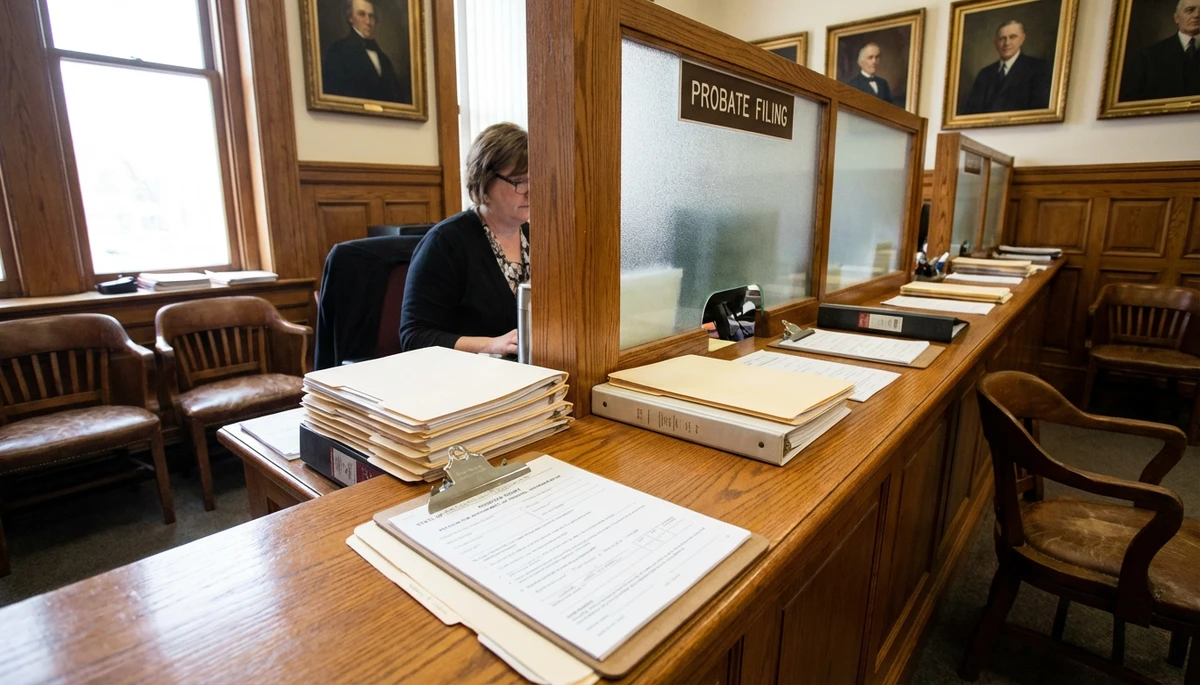
Getting appointed as personal representative requires a filing with the clerk of superior court — and it must happen before the two-year statute of limitations runs out.
What if family members disagree about who should be personal representative?
This comes up more often than you’d expect, especially in blended families or when relationships are strained. When multiple people want to serve as personal representative — or when family members disagree about whether to even pursue a lawsuit — things get complicated.
The clerk of superior court generally follows the priority list I mentioned above. If the surviving spouse wants to serve, they typically have first priority. But if the spouse doesn’t want the role, or if there’s a dispute about their suitability, other family members can petition the court.
In contested situations, the court can appoint a neutral third party — sometimes an attorney who has no family connection — to serve as personal representative. This can actually simplify things in contentious family situations, because the personal representative’s job is to act in the best interests of all beneficiaries, not just one family faction.
One thing to keep in mind: the personal representative doesn’t decide who gets the wrongful death damages. Damage distribution is determined by statute, not by the personal representative’s preferences.
How NC compares to other states
North Carolina’s approach is unusual. Most states allow specific family members to file wrongful death lawsuits directly:
In South Carolina, the personal representative also must file, but the process and distribution rules differ. In Virginia, the personal representative files on behalf of statutory beneficiaries. In Georgia, the surviving spouse or children can file directly. In Florida, the personal representative files, similar to NC. In California, the surviving spouse, domestic partner, or children can file directly without estate involvement.
The point is that NC families can’t assume the rules are the same as what they’ve heard about from friends or family in other states. North Carolina has its own system, and it requires the extra step of estate appointment.
Who benefits from a wrongful death recovery?
Even though the personal representative files the lawsuit, they’re doing so on behalf of specific beneficiaries defined by NCGS 28A-18-2. The statute directs that damages are distributed to the same people who would inherit under NC’s intestacy laws:
If the deceased had a surviving spouse and one child, the spouse receives the first $100,000 of the net estate, plus one-half of the remainder. The child receives the rest. If there’s a surviving spouse and two or more children, the spouse gets the first $100,000 plus one-third of the remainder, and the children split the rest equally. If there’s no surviving spouse, the children inherit equally. If there are no children, the estate passes to parents, then siblings, according to the intestacy statutes.
These distribution rules apply regardless of what the deceased’s will says about other property. Wrongful death proceeds are separate from the general estate.
Steps to take after a wrongful death in North Carolina
If your family is dealing with a wrongful death, here’s the practical path forward:
Consult a wrongful death attorney immediately. Don’t wait until you’ve figured out the personal representative situation on your own. An experienced attorney can guide you through the appointment process, identify all potential claims, and make sure you don’t miss any deadlines.
Start the personal representative appointment process. Whether you’re the surviving spouse, an adult child, or another family member, get the paperwork started at the clerk of superior court. Your attorney can handle this for you or assist you through it.
Preserve evidence. In many wrongful death cases, evidence is time-sensitive. Scene conditions change. Witnesses move. Records get lost. The sooner your attorney can begin investigating, the better.
Don’t talk to insurance companies. The at-fault party’s insurer will likely reach out to the family. They are not trying to help you. Don’t give recorded statements or sign anything without legal representation.
Understand that this takes time. Wrongful death cases are complex. Between the appointment process, investigation, and litigation, these cases often take a year or more to resolve. But families who start early put themselves in the strongest position.
Frequently asked questions
Can the surviving spouse file a wrongful death lawsuit in NC?
Not directly. In North Carolina, only the personal representative of the estate can file a wrongful death lawsuit. However, the surviving spouse has first priority to be appointed as personal representative. Once appointed by the clerk of superior court, the surviving spouse can then file and manage the wrongful death claim on behalf of all beneficiaries.
What happens if no one is appointed as personal representative?
If no personal representative is appointed before the two-year statute of limitations expires, the right to file a wrongful death lawsuit is permanently lost. The court won’t grant extensions simply because the family didn’t know about the requirement. This is why consulting with an attorney early is so important.
Can a personal representative be removed or replaced?
Yes. If a personal representative isn’t fulfilling their duties properly — including pursuing a wrongful death claim when the evidence supports it — interested parties can petition the court to have them removed and replaced. The court’s primary concern is that the estate and its beneficiaries are properly represented.
Is there a difference between wrongful death and survival actions in NC?
Yes. A wrongful death claim compensates the beneficiaries for their losses resulting from the death. A survival action, under NCGS 28A-18-1, allows the estate to pursue claims the deceased person would have had if they survived — such as claims for pain and suffering between the injury and death. Both are typically filed by the personal representative, but they compensate different things.
Lost a loved one to someone’s negligence?
I know this is an overwhelming time. Let me handle the legal process — including the personal representative appointment — so your family can focus on what matters most.
Or call (704) 741-9399
Find a Wrongful Death Attorney Near You
The information on this page is for general informational purposes only and does not constitute legal advice. Every case is different. Contacting Ryan P. Duffy Law does not create an attorney-client relationship. Past results do not guarantee future outcomes.