

If a drunk driver hit you or someone you love, you’re probably wondering whether the law does anything extra to punish that behavior. The short answer: yes. North Carolina allows punitive damages in DWI accident cases, and they can significantly increase the total compensation you receive.
I spent years as an insurance defense attorney, and I can tell you that punitive damages are one of the things insurance companies fear most. They’re unpredictable, they can be substantial, and they send a clear message. Now that I represent injured people at the Law Office of Ryan P. Duffy in Belmont, NC, I use that knowledge to pursue every dollar my clients deserve — including punitive damages when the facts support them.
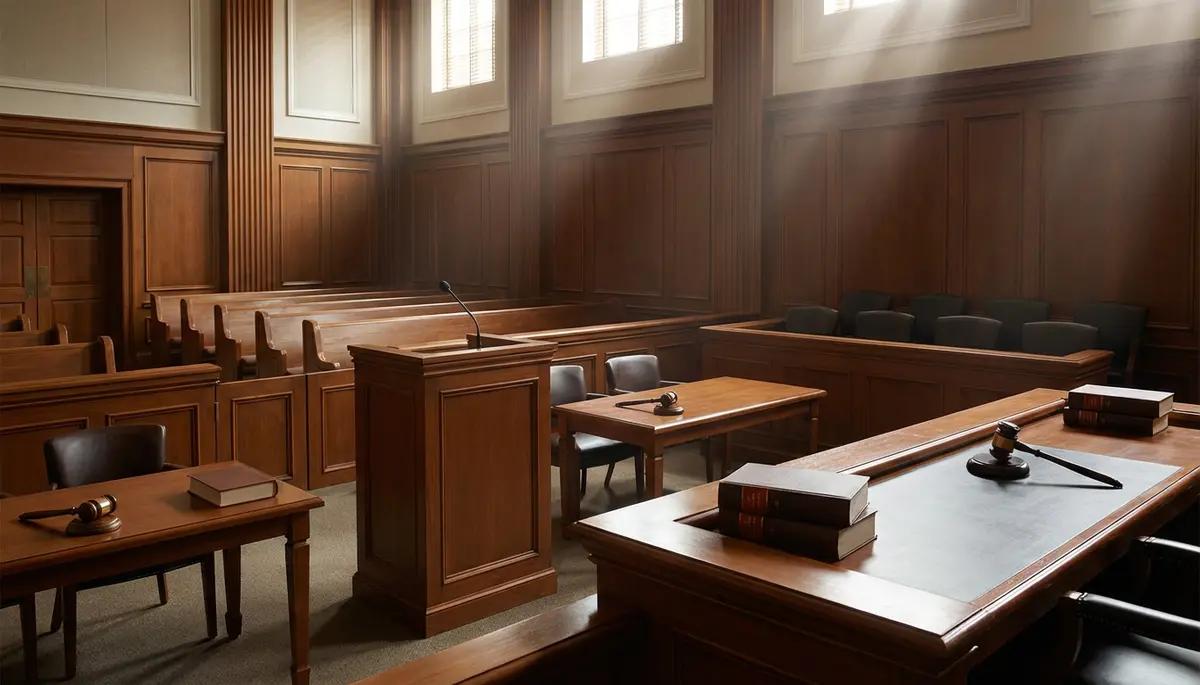
Punitive damages go beyond compensating victims — they’re designed to punish reckless behavior like drunk driving.
What are punitive damages?
Most damages in a personal injury case are “compensatory” — they’re meant to make you whole. That includes medical bills, lost wages, and pain and suffering. Punitive damages are different. They exist to punish the defendant for especially bad behavior and to deter others from doing the same thing.
Think of it this way: compensatory damages look backward at what you lost. Punitive damages look at what the defendant did and say “that conduct was so reckless that you need to pay extra.”
Not every personal injury case qualifies for punitive damages. In North Carolina, they’re reserved for situations involving willful or wanton conduct — and drunk driving accidents are one of the clearest examples.
North Carolina’s legal standard for punitive damages
Under N.C. Gen. Stat. § 1D-15, punitive damages are available when the defendant’s conduct meets one of three standards:
- Fraud — the defendant committed fraud
- Malice — the defendant acted with hatred, ill will, or spite
- Willful or wanton conduct — the defendant consciously and intentionally disregarded the rights and safety of others
DWI accident cases almost always fall under that third category: willful or wanton conduct. When someone decides to get behind the wheel after drinking enough to be legally impaired, that’s a conscious choice to endanger everyone on the road. North Carolina courts have consistently treated DWI as the kind of conduct that justifies punitive damages.
The burden of proof is higher than for regular negligence claims. You need to prove willful or wanton conduct by “clear and convincing evidence” — not just a preponderance of the evidence. That’s a meaningful difference, but in DWI cases, a blood alcohol reading above the legal limit goes a long way toward meeting that standard.
Why DWI qualifies as willful or wanton conduct
Driving while impaired isn’t an accident. It’s a series of deliberate choices: choosing to drink, choosing to drink enough to become impaired, and then choosing to drive. Every person with a driver’s license knows that drunk driving is illegal and dangerous. When someone does it anyway, they’re consciously disregarding the safety of everyone around them.
North Carolina courts have recognized this repeatedly. A DWI conviction — or even strong evidence of impairment without a conviction — can serve as powerful proof of willful or wanton conduct. Key evidence includes:
- Blood alcohol concentration (BAC) at or above 0.08%
- BAC significantly above the legal limit (0.15% or higher is especially compelling)
- Refusal of a breathalyzer test
- A criminal DWI conviction or guilty plea
- Prior DWI history
- Witness testimony about the driver’s behavior before the crash
- Bar or restaurant records showing how much the driver consumed
The higher the BAC and the more egregious the circumstances, the stronger the case for punitive damages becomes.
Ryan’s Insider Perspective
When I defended insurance companies, punitive damages claims changed the entire calculus of a case. The insurer’s exposure jumped dramatically, and the pressure to settle increased. I also saw how defense lawyers tried to minimize the drunk driver’s conduct — arguing that “everyone makes mistakes” or that a BAC of 0.09% was “barely over the limit.” Now that I’m on the plaintiff’s side, I know exactly how to counter those arguments and keep the focus where it belongs: on the defendant’s reckless choice to drive drunk.
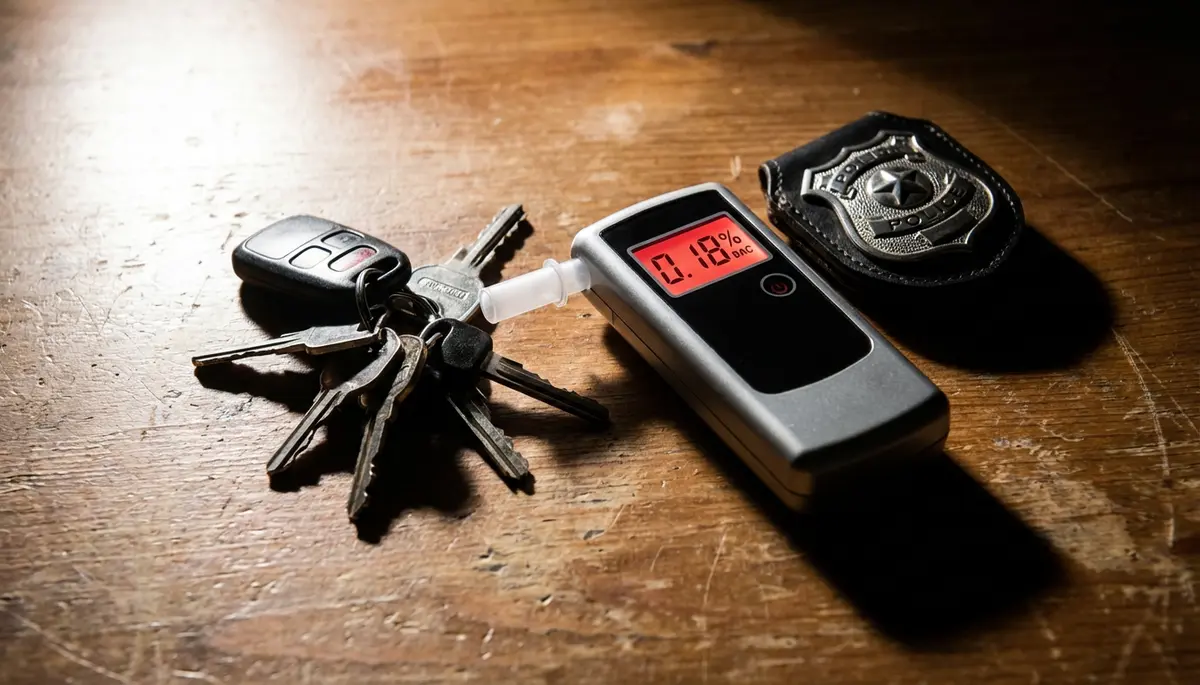
Every year, drunk driving crashes cause thousands of serious injuries and deaths across North Carolina.
How punitive damages are calculated in NC
North Carolina doesn’t use a simple formula for punitive damages. Instead, N.C. Gen. Stat. § 1D-35 lists several factors the jury can consider:
- How reprehensible the defendant’s conduct was
- The severity of the harm to the plaintiff
- The duration of the defendant’s misconduct
- The defendant’s awareness that the conduct was harmful
- The defendant’s attempts (or lack of attempts) to conceal the misconduct
- The defendant’s financial condition
- Any prior similar conduct by the defendant
A defendant with multiple prior DWIs, a sky-high BAC, or who tried to flee the scene is going to face a much larger punitive damages award than someone with no history and a BAC just over the limit.
The cap on punitive damages in North Carolina
Here’s something many people don’t know: North Carolina caps punitive damages. Under N.C. Gen. Stat. § 1D-25, punitive damages are generally limited to the greater of:
- Three times the amount of compensatory damages, or
- $250,000
So if your compensatory damages (medical bills, lost wages, pain and suffering) total $200,000, the maximum punitive damages would be $600,000. If your compensatory damages are only $50,000, you’d still be eligible for up to $250,000 in punitive damages.
There’s an important exception: if the defendant’s conduct was driven by alcohol or drugs — specifically, if the defendant was impaired by alcohol, drugs, or other substances — the cap can be lifted if the defendant’s BAC was 0.16% or higher, or if the defendant was impaired by illegal drugs. In those cases, the jury has more discretion, and punitive damages can exceed the normal cap.
This is why preserving evidence of the defendant’s BAC and impairment level is so important early in a drunk driving accident case.
Insurance coverage and punitive damages
A common concern: “Even if I win punitive damages, can the drunk driver actually pay?” It’s a fair question. Many drunk drivers don’t have significant personal assets.
In North Carolina, auto insurance policies can cover punitive damages — there’s no statute or public policy prohibition against it. That means the drunk driver’s liability insurance may apply to a punitive damages award. However, coverage depends on the specific policy language, and some policies do exclude punitive damages.
This is one reason it’s important to have an attorney review all applicable insurance policies early in your case. Your own underinsured motorist (UIM) coverage may also come into play if the drunk driver’s policy limits aren’t enough to cover the full award.
Dram shop liability and punitive damages
Sometimes the drunk driver isn’t the only one responsible. Under North Carolina’s dram shop laws, a bar, restaurant, or other alcohol vendor can be held liable if they served alcohol to someone who was already visibly intoxicated. If a bar kept serving drinks to a patron who was clearly hammered and that patron then caused a crash, the bar could face both compensatory and punitive damages.
These cases add complexity, but they also add potential sources of recovery — and bars and restaurants typically carry commercial liability insurance with higher limits than individual auto policies.
Steps to strengthen a punitive damages claim
If you’ve been injured by a drunk driver in NC, there are several things you and your attorney can do to build the strongest possible case for punitive damages:
- Preserve the criminal case evidence. The DWI arrest report, BAC results, field sobriety test results, dashcam footage, and booking records are all relevant.
- Obtain the defendant’s driving record. Prior DWI convictions or traffic violations show a pattern of reckless behavior.
- Investigate where the defendant was drinking. Bar tabs, credit card records, and witness statements can establish how much the defendant consumed.
- Document your injuries thoroughly. Higher compensatory damages mean a higher punitive damages cap.
- File your claim promptly. North Carolina has a three-year statute of limitations for personal injury claims, but evidence becomes harder to obtain over time.
Frequently asked questions
Do I automatically get punitive damages if the other driver was drunk?
Not automatically, no. You still need to prove willful or wanton conduct by clear and convincing evidence. But a DWI arrest and BAC results above the legal limit provide strong evidence. Your attorney will need to present this evidence effectively to a jury — or use it as leverage in settlement negotiations.
Can I get punitive damages even if the drunk driver wasn’t convicted of DWI?
Yes. The civil case and the criminal case are separate proceedings with different standards of proof. Even if criminal charges are dropped or reduced, you can still pursue punitive damages in your civil case. The BAC evidence and other proof of impairment is still admissible regardless of what happens in criminal court.
How much are punitive damages worth in a NC DWI case?
It depends on the facts. Under the statutory cap, punitive damages are generally limited to three times your compensatory damages or $250,000 — whichever is greater. In cases involving a BAC of 0.16% or higher, the cap may be lifted. Jury awards in NC drunk driving cases have ranged from tens of thousands to millions of dollars depending on the severity of injuries and the egregiousness of the defendant’s conduct.
Does the insurance company have to pay punitive damages?
In North Carolina, auto insurance policies can cover punitive damages — there’s no blanket prohibition. But it depends on the specific policy. Some policies exclude punitive damages. An experienced attorney will review all applicable policies to determine the available coverage and identify every potential source of recovery.
Injured by a drunk driver? I’ll fight for every dollar you’re owed — including punitive damages.
Find a Drunk Driving Accident Lawyer Near You
This blog post is for general informational purposes only and does not constitute legal advice. Every case is different, and outcomes depend on the specific facts and circumstances involved. Contact the Law Office of Ryan P. Duffy for a free consultation to discuss your specific situation.