A drunk driver just wrecked your car, injured you or someone you love, and now you’re wondering who’s responsible. The driver, obviously. But what about the bar that kept serving them? The restaurant that poured their fifth drink? In most states, the answer is straightforward — yes, the establishment can be held liable. In North Carolina, the answer is much more complicated. NC has some of the most restrictive dram shop laws in the country, and understanding those limits is critical to knowing what your claim is actually worth.
I’m Ryan Duffy, a drunk driving accident attorney in Belmont, NC. Before I started representing injured people, I worked as an insurance defense attorney. I’ve defended businesses against dram shop claims, and I know exactly how narrow the window of liability is in this state. That knowledge now helps me find the cases where a claim against the bar or restaurant is viable — and pursue them aggressively.
NC dram shop laws make it difficult — but not impossible — to hold bars and restaurants liable for serving someone who then causes a drunk driving accident.
What is a dram shop law?
“Dram shop” is an old legal term dating back to 18th-century England, when bars sold gin by a unit called a “dram.” Today, dram shop laws hold alcohol-serving establishments — bars, restaurants, breweries, wineries, liquor stores — potentially liable when they serve alcohol irresponsibly and that alcohol leads to someone’s injury.
The theory is simple: if a bar serves someone who is clearly intoxicated, and that person drives away and causes an accident, the bar bears some responsibility for putting a dangerous driver on the road. Most states agree with this theory. North Carolina… partially agrees, with significant restrictions.
NC’s dram shop statute: NCGS 18B-121
North Carolina’s dram shop law is codified at NCGS 18B-121 through 18B-129, and it starts with a rule that surprises most people: there is generally no common law dram shop liability in North Carolina. The legislature specifically abolished common law claims against alcohol sellers. Your only path to holding a bar or restaurant liable is through the statute itself.
Under NCGS 18B-121, a person who suffers injury caused by an intoxicated individual can sue the establishment that sold or served the alcohol, but only if:
1. The establishment sold or served alcohol to the person who caused the injury, AND
2. At the time of sale or service, the person was already visibly intoxicated, OR
3. The person was under the legal drinking age (under 21), AND
4. The sale or service of alcohol was a proximate cause of the injuries.
Every one of those elements has to be proven. Miss one, and the claim fails. Let me break down why each one presents challenges.
The “visibly intoxicated” problem
This is where most dram shop claims in NC fall apart. The statute doesn’t say “intoxicated.” It says “visibly intoxicated” — meaning the person had to show outward, observable signs of intoxication at the time they were served. Slurred speech. Stumbling. Glassy eyes. Difficulty walking. That kind of thing.
The problem is proving it. Bartenders and servers aren’t going to voluntarily testify that they noticed a customer was visibly drunk and served them anyway. The establishment will argue that the person seemed fine, was acting normal, and showed no signs of impairment when they were served their last drink.
What evidence can help? Surveillance video from the bar. Testimony from other patrons who were there that night. The person’s bar tab showing a large number of drinks in a short time. The person’s BAC at the time of the accident, which — combined with retrograde extrapolation — can help establish what their BAC would have been while still at the bar. Credit card receipts, phone records showing the timeline, and social media posts from that night can all piece together the story.
Serving a minor: a clearer path to liability
When a bar or restaurant serves alcohol to someone under 21, the dram shop analysis changes significantly. You don’t need to prove the minor was visibly intoxicated at the time of service. Serving someone underage is itself the violation. You still need to establish causation — the alcohol served to the minor must be a proximate cause of the injuries — but the “visible intoxication” hurdle is removed.
These cases tend to be stronger because the violation is clearer. The establishment had a legal duty not to serve someone under 21. They failed that duty. If that failure led to a drunk driving accident, they’re liable.
Proving the establishment knew or should have known the person was underage depends on the circumstances. Did they check ID? Was the ID fake? Was the server trained on age verification? Many establishments have policies requiring ID checks for anyone who appears under a certain age, and failure to follow those policies strengthens the claim.
Ryan’s Insider Perspective
When I defended bars and restaurants against dram shop claims, the defense strategy was almost always the same: the bartender says the customer “seemed fine,” there’s no surveillance footage (funny how that happens), and the establishment argues it had responsible service training in place. Knowing those defenses inside and out means I know what evidence to gather early — before the bar has a chance to “lose” the security footage or coach its staff.
What about social host liability?
What if the drunk driver wasn’t at a bar? What if they got drunk at a friend’s house party, a wedding reception at someone’s home, or a backyard barbecue?
North Carolina’s dram shop statute applies to businesses that sell or serve alcohol — it doesn’t cover social hosts. And because common law dram shop liability was abolished, there’s generally no claim against a private individual who served alcohol at a social gathering.
There is one significant exception: serving alcohol to a minor. Under NCGS 18B-302, it’s illegal to furnish alcohol to someone under 21. If a social host provides alcohol to a minor who then causes a drunk driving accident, the host may face both criminal charges and civil liability. The civil liability theory here relies on negligence per se — the violation of the statute itself establishes negligence.
For adults served at a private party, however, North Carolina law generally places the responsibility on the person who chose to drink and then drive. The social host isn’t liable for an adult guest’s decision to get behind the wheel.
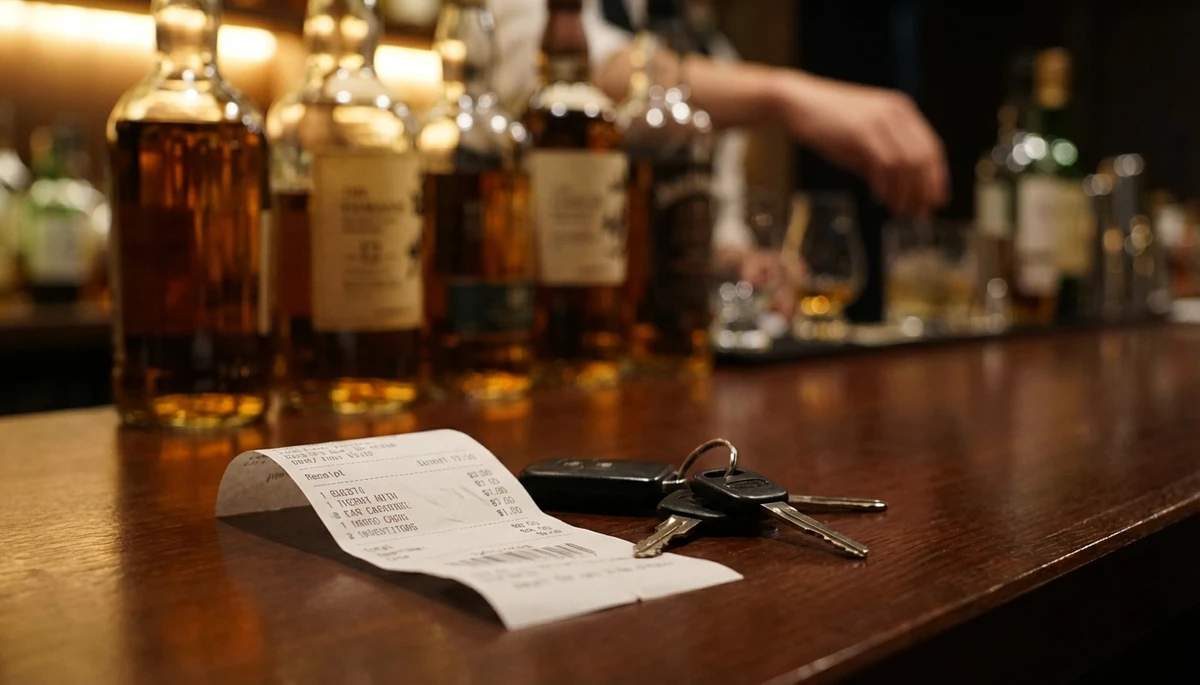
After a drunk driving accident, your claim may extend beyond just the driver — but NC law makes it harder than most states to hold the alcohol provider accountable.
When you CAN sue the bar: scenarios where dram shop claims work
Despite NC’s restrictions, there are scenarios where a dram shop claim is viable and can significantly increase your total recovery:
The bar continued serving after obvious intoxication
If there’s evidence the person was stumbling, slurring, or causing a scene and the bar kept pouring drinks, you have a case. Testimony from other bar patrons is often the best evidence. People remember the loud, sloppy drunk at the end of the bar. They remember the bartender handing over another beer.
Security camera footage captures the evidence
If the bar has security cameras (and many do, especially near the entrance and bar area), the footage may show the person’s condition at the time they were served. This is the strongest possible evidence in a dram shop case, which is why preserving that footage quickly is so important. Most establishments overwrite their security footage within days or weeks.
The bar tab tells the story
If the person’s tab shows they were served twelve drinks in three hours, that’s evidence the bar should have cut them off long before the final pour. Combined with BAC evidence and expert testimony about how impaired someone would be after that volume of alcohol, the bar tab itself can establish visible intoxication.
The driver was underage
As I discussed above, serving a minor eliminates the visible intoxication requirement. If a 19-year-old was served at a bar using a fake ID that the bartender barely glanced at, and that person then caused a fatal accident, the bar has serious liability exposure.
Why suing the bar matters for your recovery
You might wonder: if the drunk driver is clearly at fault, why bother going after the bar too?
The answer is practical. Individual drunk drivers often have limited insurance — the NC minimum liability coverage is just $30,000 per person. A person who’s drinking at a bar on a Tuesday night may not have a million-dollar umbrella policy or significant assets. If your injuries are serious — and drunk driving accidents frequently cause catastrophic injuries or wrongful death — the driver’s insurance may not come close to covering your losses.
Bars and restaurants, on the other hand, carry commercial liability insurance, often with much higher limits. They also have business assets. Adding the establishment as a defendant can be the difference between a recovery that barely covers your medical bills and one that reflects the full extent of your damages.
Punitive damages in drunk driving cases
North Carolina law allows punitive damages when the defendant’s conduct was willful or wanton. Drunk driving often meets that standard, especially when the driver’s BAC was significantly above the legal limit or when they had prior DWI convictions.
If you can establish a dram shop claim, punitive damages may also be available against the establishment — particularly if they had a pattern of over-serving, had been previously cited for alcohol violations, or if the specific conduct was especially reckless (like knowingly serving a minor).
Punitive damages in NC are capped at three times the compensatory damages or $250,000, whichever is greater (NCGS 1D-25). But in a case involving serious injuries or death, compensatory damages can be substantial, which means the punitive cap can be significant as well.
The contributory negligence defense
I need to mention contributory negligence because it comes up in virtually every NC personal injury case. If the defense can show that you were even partially at fault for the accident — you were speeding, you ran a yellow light, you weren’t wearing a seatbelt — they’ll argue contributory negligence as a complete bar to your recovery.
This applies even in drunk driving cases. Yes, even when the other driver was three times the legal limit. North Carolina’s contributory negligence rule is that harsh. An experienced attorney knows how to anticipate and counter this defense, but it’s something every plaintiff in NC needs to be aware of.
What to do after a drunk driving accident in NC
Get medical attention. Your health is the priority. Document your injuries from day one.
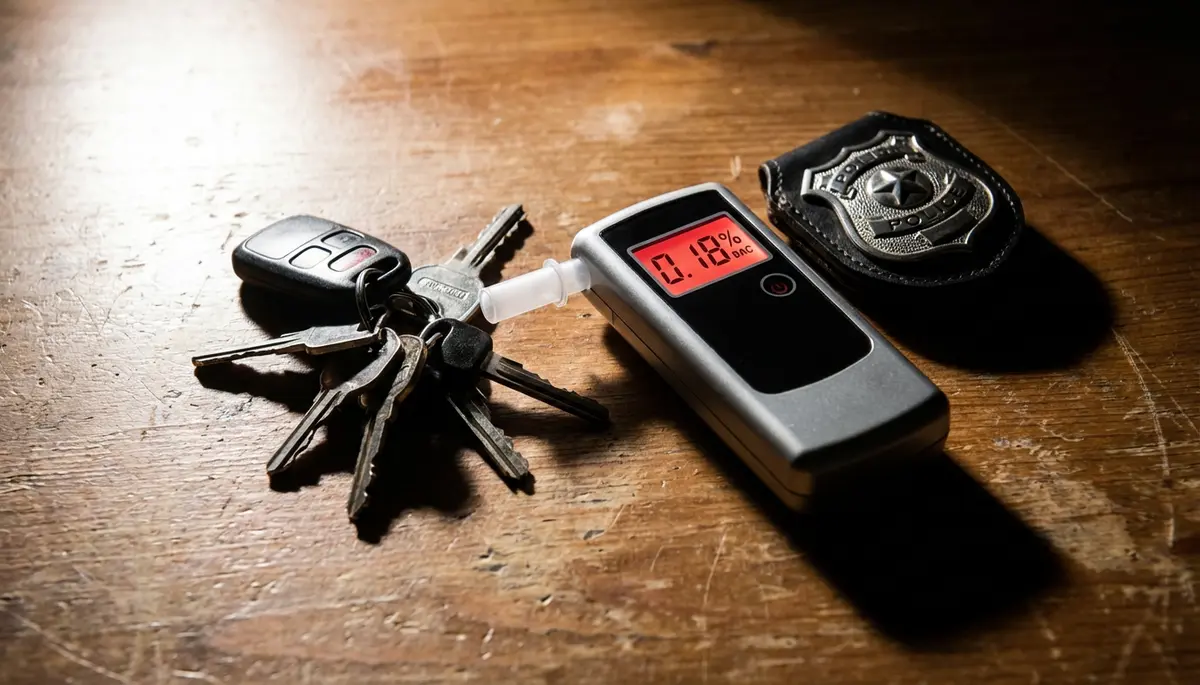
Get the police report. The responding officer’s report will include whether the other driver was arrested for DWI, field sobriety test results, and the driver’s BAC if a breathalyzer or blood test was administered.
Identify where the driver was drinking. This information may come from the police investigation, the driver’s own statements, or witness accounts. Knowing where the driver drank before the accident is the foundation of any potential dram shop claim.
Act fast to preserve evidence. Bar surveillance footage, server shift records, POS system data, and the driver’s bar tab can all disappear quickly. Your attorney can send a preservation letter to the establishment demanding they retain this evidence. In some cases, we’ll seek an emergency court order to prevent destruction of evidence.
Don’t give a recorded statement to any insurance company without legal representation. Both the driver’s insurer and the establishment’s insurer will be looking for ways to limit your claim.
Contact an attorney who handles drunk driving accident cases. These cases involve multiple potential defendants, different insurance policies, dram shop law, and often criminal proceedings happening simultaneously. You need someone who understands all of those moving parts.
Frequently asked questions
Can I sue a bar for serving a drunk driver in North Carolina?
Yes, but only under limited circumstances. NC’s dram shop law (NCGS 18B-121) requires you to prove the bar served the driver when they were already visibly intoxicated, or that they served someone under 21. You also must prove the service of alcohol was a proximate cause of the accident. NC has more restrictive dram shop laws than most states.
Can I sue the host of a private party where the driver got drunk?
Generally, no. NC’s dram shop statute only applies to businesses that sell or serve alcohol. Social hosts are not liable for serving alcohol to adult guests who then drive drunk. The exception is if the host provided alcohol to someone under 21 — in that case, the host may face both criminal and civil liability.
How long do I have to file a drunk driving accident lawsuit in NC?
North Carolina’s statute of limitations for personal injury is three years from the date of the accident. For wrongful death claims, it’s two years from the date of death. Dram shop claims follow the same deadlines. However, evidence like bar surveillance footage can be lost within days, so acting quickly is essential even if the deadline seems far away.
What if the drunk driver doesn’t have enough insurance to cover my injuries?
This is exactly why dram shop claims matter. Individual drivers often carry minimum coverage ($30,000 per person in NC). Bars and restaurants carry commercial liability policies with much higher limits. If a dram shop claim is viable, it can dramatically increase the total compensation available. Your own uninsured/underinsured motorist coverage is another potential source of recovery.
Hit by a drunk driver? There may be more to your claim.
I’ve defended bars against dram shop claims. I know when a claim is viable and how to build it. Let me review your case and identify every potential source of recovery.
Or call (704) 741-9399
The information on this page is for general informational purposes only and does not constitute legal advice. Every case is different. Contacting Ryan P. Duffy Law does not create an attorney-client relationship. Past results do not guarantee future outcomes.