

If a dog bit your child in North Carolina, your first priority is medical care. Your second priority is protecting their legal rights. Children suffer more serious injuries from dog bites than adults — deeper wounds relative to their size, worse scarring on growing skin, and psychological trauma that can last years. The law reflects this, and the compensation in these cases is typically higher.
I’m Ryan Duffy, a personal injury attorney in Belmont, NC. Before I started representing injured people, I spent years on the insurance defense side. I’ve seen how insurers evaluate dog bite claims involving children, and I know the tactics they use to minimize payouts. Parents need to understand both the medical and legal steps to protect their child.

Children are the most common victims of serious dog bites — and they deserve full compensation for their injuries.
What to do immediately after a dog bites your child
The first few hours and days after a dog bite are critical — for your child’s health and for any future legal claim. Here’s what to prioritize.
Get medical attention right away
Take your child to the emergency room or urgent care. Dog bites carry serious infection risks, including bacteria like Pasteurella and Capnocytophaga that can cause rapid, dangerous infections in children. A bite that looks minor on the surface can involve deep tissue damage underneath.
The ER visit creates the first medical record tying the injury to the dog bite. This record becomes the backbone of any insurance claim. If you wait a few days to see a doctor, the adjuster will argue the injury wasn’t that serious.
Document the injuries thoroughly
Take clear photos of every wound on the day of the bite. Continue photographing the injuries every two to three days as they heal — or as they scar. Save these in a dedicated folder on your phone with dates. If your child needed stitches, photograph the stitches and the wound after they’re removed.
Also write down exactly what happened while it’s still fresh. Where were you? Was the dog on a leash? Did the owner say anything? Were there witnesses? These details matter and they fade fast.
Report the bite to animal control
File a report with your local animal control agency. In Gaston County, contact Gaston County Animal Care and Enforcement. In Mecklenburg County, contact Charlotte-Mecklenburg Animal Care and Control. The report triggers an investigation, documents the dog’s history, and can result in a dangerous dog designation under NCGS § 67-4.1.
Ask animal control for proof of the dog’s rabies vaccination. If the dog isn’t vaccinated or its status is unknown, your child may need post-exposure rabies prophylaxis — a series of shots that adds significant cost and stress to an already difficult situation.
Why dog bite claims involving children are worth more
Insurance adjusters know that dog bites to children typically result in higher settlements and jury verdicts. There are real reasons for this, and they’re not about sympathy — they’re about damages.
Scarring on children is evaluated differently
A scar on a 6-year-old’s face is worth more than the same scar on a 45-year-old’s face. Not because one person’s pain matters more, but because the child will carry that scar for decades longer. Children’s skin also scars differently — it’s still developing, and scars can stretch and become more prominent as the child grows.
If your child has facial scarring from a dog bite, a plastic surgeon should evaluate the wound even if you think it’s healing well. Some scars benefit from early intervention like silicone sheeting, laser treatment, or scar revision surgery. These treatments are recoverable damages in a claim.
Emotional trauma and behavioral changes
Children who are bitten by dogs frequently develop lasting psychological effects. These can include fear of dogs (cynophobia), nightmares, anxiety in outdoor settings, regression in behavior like bedwetting, and PTSD symptoms. If your child starts showing any of these signs, get them evaluated by a child psychologist or therapist.
The cost of therapy is a recoverable damage. So is the emotional distress itself. A therapist’s records documenting your child’s symptoms provide strong evidence for the claim.
Ryan’s Insider Perspective
When I worked the defense side, I watched adjusters try to close child dog bite claims fast — before the full extent of scarring was visible and before parents realized they could claim emotional trauma damages. They’d offer a few thousand dollars to cover the ER bill and hope the parents took it. Don’t accept an early settlement offer without understanding the full scope of your child’s injuries. Scars can take 12 to 18 months to fully mature, and psychological effects may not surface for weeks or months.
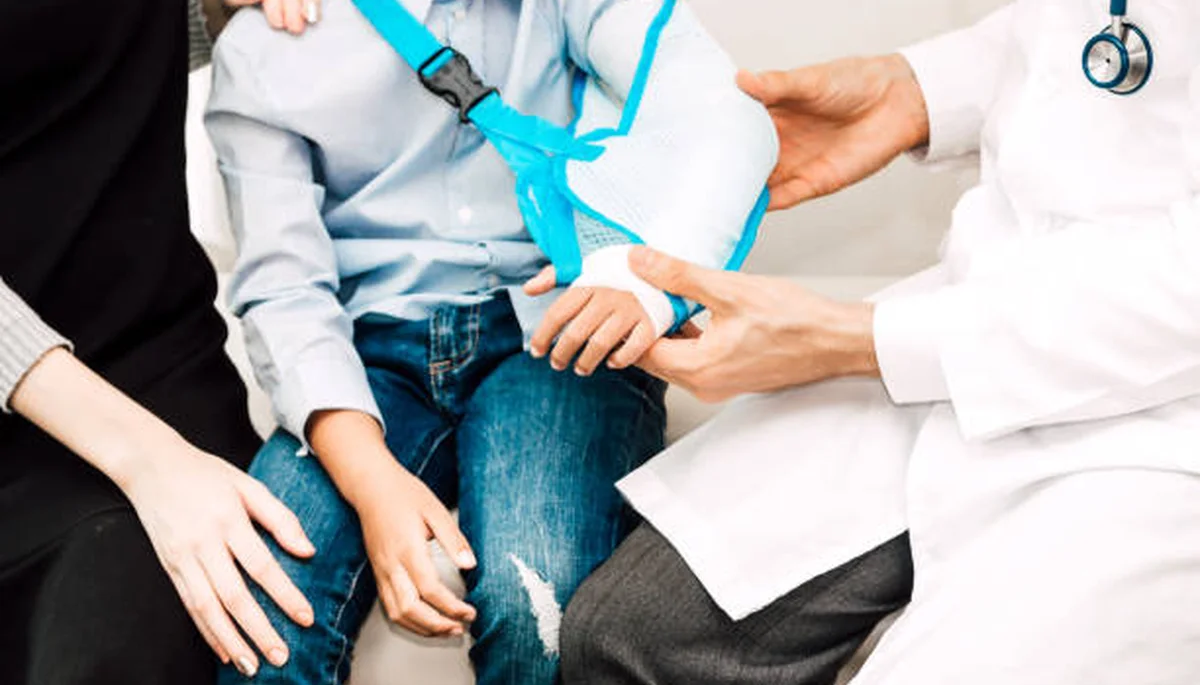
Document your child’s injuries with photos every few days — scars can take over a year to fully develop.
North Carolina dog bite liability when a child is involved
North Carolina holds dog owners liable under two theories: common law negligence (the “one-bite rule”) and strict liability for dogs at large under NCGS § 67-4.1. Both apply to bites involving children.
One thing that works in a child’s favor: contributory negligence is harder for the defense to argue against a young child. North Carolina’s contributory negligence rule can bar an adult’s entire claim if they were even slightly at fault. But children under 7 are generally presumed incapable of contributory negligence. Children between 7 and 14 may or may not be held to the standard, depending on their maturity and the circumstances.
So if an insurer tries to argue that your 5-year-old “provoked” the dog by running near it, that argument holds very little weight in North Carolina courts.
The statute of limitations is different for children
For adults, the statute of limitations for personal injury in North Carolina is three years from the date of the injury under NCGS § 1-52. Miss the deadline and your claim is gone.
For children, the clock works differently. Under NCGS § 1-17, the statute of limitations is tolled (paused) until the child turns 18. That means a child who is bitten at age 4 technically has until age 21 to file a lawsuit.
But “can wait” doesn’t mean “should wait.” Evidence gets stale. Witnesses move away. Medical records get harder to obtain. The dog owner might move or change insurance carriers. If your child has been bitten, it’s better to pursue the claim sooner rather than later. You can learn more about filing deadlines for injury claims in NC here.
How a parent files a dog bite claim for a child in NC
A child can’t file a legal claim on their own. A parent or legal guardian files the claim as the child’s “next friend” or guardian ad litem. If the case settles for more than $10,000, North Carolina requires court approval of the settlement to make sure it’s in the child’s best interest.
The settlement funds are typically held in a trust or a blocked account until the child turns 18. This protects the money for the child’s future needs — whether that’s continued scar treatment, therapy, or other expenses related to the injury.
If you need guidance on what to do after any injury, this step-by-step guide covers the basics that apply to all personal injury situations.
What damages can you recover for a child’s dog bite?
Compensation for a child’s dog bite claim in North Carolina can include:
- Emergency room and hospital bills
- Surgery, including plastic surgery for scar revision
- Ongoing medical care (wound care, follow-up appointments)
- Physical therapy and rehabilitation
- Mental health treatment (therapy, counseling)
- Pain and suffering
- Scarring and permanent disfigurement
- Emotional distress and psychological trauma
- Future medical expenses (scar treatment as the child grows)
A dog bite attorney can help calculate the full value of your child’s claim, including future damages that aren’t obvious right now.
Frequently asked questions
Can I sue if my child was bitten at a friend’s house?
Yes. The dog owner’s homeowner’s insurance would cover the claim regardless of whether the bite happened at their house, a park, or anywhere else. If your child was an invited guest, there’s no trespassing defense. The claim goes through insurance — you’re not personally suing the friend.
What if the dog owner says my child provoked the dog?
Children under 7 are generally presumed incapable of contributory negligence in North Carolina. For children 7-14, the standard depends on the child’s age, experience, and maturity. A child running, playing, or being loud near a dog is normal kid behavior — not provocation. This defense rarely works against young children.
Should I accept the insurance company’s first settlement offer?
Almost never, especially for a child’s claim. The first offer is typically a lowball designed to close the file quickly — before scarring fully develops and before you understand the full cost of treatment. Wait until your child’s doctor says they’ve reached maximum medical improvement before settling.
How long does a child’s dog bite claim take to resolve?
Most dog bite claims settle in 6 to 18 months. Claims involving children can take longer because you need to wait for scars to mature (12-18 months) and for psychological effects to stabilize. Rushing to settle means leaving money on the table.
A dog bit your child. You have questions. I have answers — and the consultation is free.
Find a Dog Bite Lawyer Near You
This blog post is for general informational purposes only and does not constitute legal advice. Every case is different, and outcomes depend on the specific facts and circumstances involved. Contact the Law Office of Ryan P. Duffy for a free consultation to discuss your specific situation.