noindex

The Law Office of Ryan P. Duffy, PLLC

Category: Dog Bites

North Carolina dog bite laws, owner liability, and what to do if you or your child has been bitten.

  • North Carolina’s Dangerous Dog Laws: How They Affect Your Bite Injury Claim

    North Carolina’s Dangerous Dog Laws: How They Affect Your Bite Injury Claim

    A prior dangerous-dog designation can be important evidence after a North Carolina dog bite. It can identify the dog, document an earlier incident, and show what the owner was told. But a designation is not the only route to a claim, and North Carolina does not impose the same strict-liability rule on every dog bite. The useful next step is to obtain the actual records and compare them with the law in effect when the injury occurred.

    This guide focuses on dangerous-dog records and the questions they can answer. For a broader explanation of liability theories, see North Carolina dog-bite laws. If you need advice about an injury, visit the NC dog-bite attorney page or request a free consultation.

    On this page

    What “dangerous dog” means under NC law

    North Carolina General Statutes § 67-4.1 defines a dangerous dog in several ways. They include a dog that, without provocation, has killed or inflicted severe injury on a person; a dog properly determined to be “potentially dangerous” by the designated local authority; and a dog owned, harbored, or trained for dog fighting as described in the statute.

    A “potentially dangerous” determination is included within the Article’s definition of “dangerous dog.” It is not simply a separate, lesser category to which the dangerous-dog provisions never apply. The qualifying conduct includes a bite causing broken bones, disfiguring lacerations, cosmetic surgery, or hospitalization; killing or severely injuring a domestic animal off the owner’s real property; or approaching someone off the owner’s property in a vicious or terrorizing manner in an apparent attitude of attack.

    The Article also contains exceptions. These address certain law-enforcement and lawful-hunting situations, specified injuries to domestic animals involving working dogs, and injuries sustained by a person committing a willful trespass or other tort, tormenting, abusing, or assaulting the dog (or who had done so), or committing or attempting a crime. Those facts require individual review. A label in a report does not replace that analysis.

    The takeaway: ask for the determination and its factual basis, rather than relying on someone’s description that a dog “was on a dangerous list.”

    Six records to request or preserve

    Start with documents tied to the particular dog, owner, property, and incident. A prior complaint about a different dog at the same address can send an investigation in the wrong direction.

    Record What it can help establish What to check
    1. The current incident report Date, location, identified owner, dog description, witness information, and what the responding officer recorded. Correct names, report number, photographs, supplements, and whether the officer personally observed a fact or recorded someone else’s account.
    2. Earlier animal-control complaints and bite reports The dog’s history and information that may have reached the owner before your injury. Whether the same dog was involved, the conduct described, and when the owner learned about it. A complaint is an allegation, not automatically a proven fact.
    3. The written designation and notice The authority’s determination, reasons, and notice to the owner. The issue date, dog identification, cited statutory or local provisions, and any available delivery or service record.
    4. Appeal and hearing records Whether the determination was challenged and what the final decision said. Written objections, the local appellate board’s decision, any superior-court filing, and later orders. Do not treat a reversed decision as an unchanged final designation.
    5. Confinement and transfer records Conditions at the property and information about who possessed the dog. Dated photographs of a fence or enclosure taken lawfully, inspection records if they exist, and written transfer notices. Do not enter private property or approach the dog to gather evidence.
    6. Your treatment and firsthand evidence The injury, expenses, recovery, and events surrounding the bite. Medical records and bills, dated injury photographs, damaged clothing, witness contact information, and original messages. Keep originals and distinguish personal observations from what others told you.

    For example, a neighbor may say a dog previously lunged at someone. Write down the neighbor’s name and what they personally saw; preserve any message they sent. Then look for the corresponding complaint or witness account. Do not turn “I heard that” into a statement that an earlier attack was officially established.

    How to request animal-control records

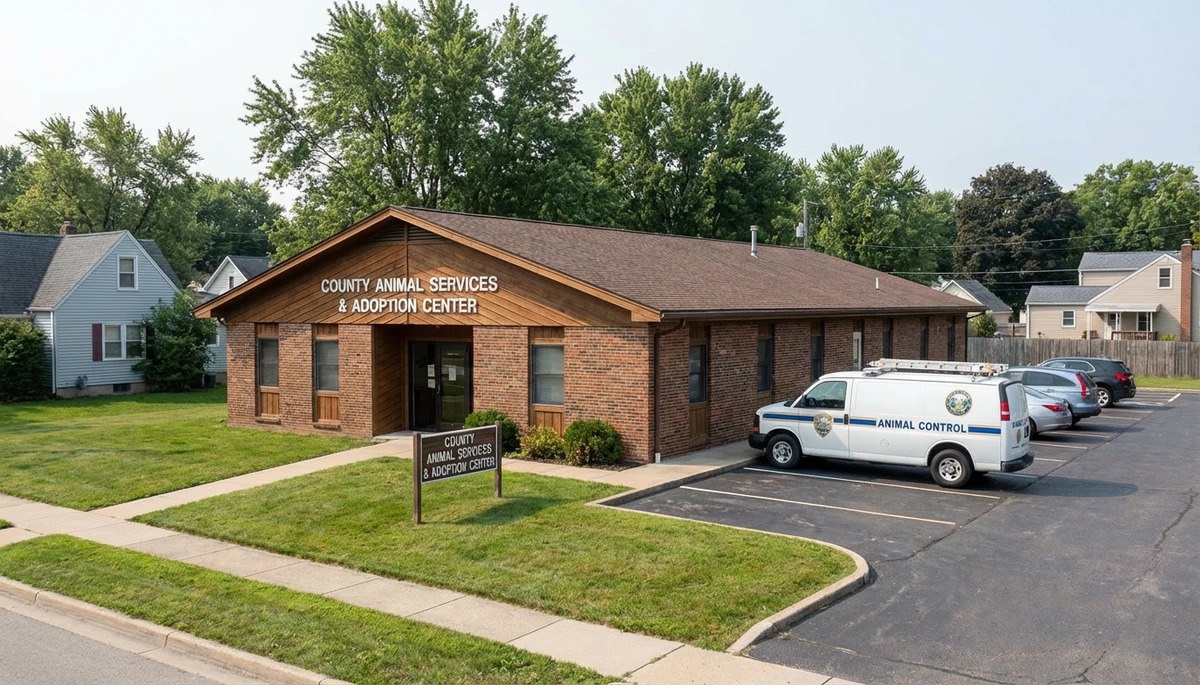
    Contact the animal-control agency responsible for the place where the incident happened. For a Gaston County incident, start with Gaston County Animal Care and Enforcement. An agency serving the owner’s address may also hold relevant earlier records if the dog moved between jurisdictions.

    Give the agency the incident date and location, report number if known, owner’s name or address if known, and a description of the dog. Ask which records unit handles requests and how it accepts them. Identify the documents you seek: the incident report and supplements, prior complaints concerning the same dog, written determinations and notices, and any appeal decisions held by that agency.

    A short request can be specific without speculating about liability:

    “I am seeking available records about the dog involved in incident [report number], on [date] at [location]. Please let me know the procedure for requesting the incident report and supplements, earlier complaints about the same dog, and any dangerous- or potentially-dangerous-dog determination, notice, or appeal decision.”

    This is sample wording, not a completed request or a guarantee that every item is public or available. Some material may be redacted, held by another office, or subject to restrictions. Keep a copy of the request and response. If the response appears incomplete, identify the missing category rather than assuming no record ever existed. A lawyer can assess the appropriate records request or litigation process for evidence that cannot be obtained informally.

    What owners must do under the state statute

    Under G.S. 67-4.2, an owner may not leave a dangerous dog unattended on the owner’s real property unless it is confined indoors, in a securely enclosed and locked pen, or in another structure designed to restrain it. Beyond the owner’s real property, the dog must be leashed and muzzled, or otherwise securely restrained and muzzled.

    When ownership or possession is transferred, the statute requires written notice to the determining authority identifying the new owner or possessor and written notice to the recipient specifying the dangerous behavior and the authority’s determination.

    G.S. 67-4.2 does not itself impose a statewide $100,000 liability-insurance requirement or a statewide warning-sign requirement. Local rules can add requirements: G.S. 67-4.5 preserves city and county dangerous-dog programs. Review the applicable ordinance and the actual order before asserting that a particular insurance, registration, sign, or notification requirement applied.

    This distinction also affects the records checklist. A missing sign matters only after identifying a duty to post it; a photograph by itself does not establish that duty.

    What a designation does—and does not—prove

    G.S. 67-4.4 makes the owner of a dangerous dog strictly liable in civil damages for injuries or property damage the dog inflicts. The dog’s statutory status and the Article’s exceptions still matter. A prior designation may be significant evidence, but the records must be matched to the dog and the facts of the injury.

    A designation can also document notice to the owner. It does not automatically establish every disputed fact, the extent of an injury, available insurance, or a settlement amount. An earlier report, the written notice, and medical records serve different purposes; keep all three.

    If there was no prior designation, do not assume the inquiry ends. The statutory definition contains routes other than a prior administrative determination, and other liability theories may warrant evaluation. The separate nighttime running-at-large provision is G.S. 67-12, not G.S. 67-4.4; it has its own requirements. The broader NC dog-bite-law guide addresses the larger framework.

    Common questions

    Does a dog need a prior official designation before an injury claim is possible?

    No. A prior designation is one important form of evidence, but it is not the only possible route under the statutory definition or the broader law. Whether a particular theory applies requires the facts about the dog, its owner, the incident, and any exceptions.

    Can the owner appeal a potentially-dangerous-dog determination?

    Yes. G.S. 67-4.1(c) provides for written objections to the designated local appellate board within three days. That board schedules a hearing within 10 days after the objections are filed. Appeal from its final decision goes to superior court, by notice of appeal and petition for review within 10 days of the final decision. Obtain the complete record, including the final outcome; this is not a single 10-day appeal directly to district court.

    Does a dangerous-dog designation guarantee insurance will pay?

    No. The state precautions statute does not guarantee a policy exists or covers the injury. Policy terms, exclusions, the insured parties, and the facts require separate review. Preserve insurance correspondence without treating an adjuster’s initial position as a final legal determination.

    What should I do before the records arrive?

    Seek appropriate medical attention and report the bite to the responsible authorities. Preserve photographs, witness contacts, treatment records, and original communications. Do not delay asking about legal deadlines while waiting for an agency response, and do not approach the dog or enter private property to investigate.

    Discuss the records and your next steps

    Bring the report number, any animal-control correspondence, photographs, treatment information, and insurance letters to a consultation. If you do not have every item, say which records are still outstanding. A useful evaluation begins with what is known and what still needs to be established.

    The Law Office of Ryan P. Duffy, PLLC serves dog-bite injury clients from its Belmont office at 96 E. Catawba Street, Suite 6, Belmont, NC 28012. Request a free consultation or call 704-741-9399.

    General information, not advice about a particular case. Sources checked September 11, 2026.

  • Dog Bite Infections: Why Quick Medical Treatment Matters for Your Health and Your Claim

    Dog Bite Infections: Why Quick Medical Treatment Matters for Your Health and Your Claim

    A dog bite that looks minor at the emergency room can turn into a serious infection within 24 hours. I’ve seen insurance companies use delayed medical treatment as their primary weapon to reduce or deny dog bite claims — and the frustrating part is that the delay also puts your health at genuine risk.

    As a former insurance defense attorney, I know exactly how adjusters evaluate dog bite infection cases. They look for gaps in treatment the same way they look for gaps in car accident care. At the Law Office of Ryan P. Duffy, I use that insider knowledge to help dog bite victims in Belmont and across North Carolina protect both their health and their right to compensation.

    Close-up of a dog bite wound on a person's forearm requiring medical attention

    Dog bites carry bacteria that can cause dangerous infections if not treated promptly.

    Dog bites are more dangerous than most people realize

    People tend to think of dog bites the way they think of cuts or scrapes — clean it up, slap a bandage on it, and move on. That’s a mistake. A dog’s mouth harbors dozens of bacterial species that can cause rapid, aggressive infections in human tissue.

    According to the American Academy of Pediatrics, roughly 15 to 20 percent of dog bite wounds become infected. That number climbs significantly for bites to the hands, feet, and face, where blood flow patterns make it harder for your immune system to fight off bacteria.

    The most common infections from dog bites include:

    • Pasteurella — found in over 50 percent of infected dog bite wounds. Symptoms can appear within hours, including redness, swelling, and discharge from the wound.
    • Staphylococcus and MRSA — staph bacteria that can cause skin infections, abscesses, and in severe cases, bloodstream infections that require hospitalization.
    • Capnocytophaga — a bacterium that can cause life-threatening sepsis, particularly in people with weakened immune systems.
    • Rabies — rare in domestic dogs but still a concern, especially with stray or unvaccinated animals. Rabies is almost always fatal once symptoms appear.
    • Tetanus — deep puncture wounds from dog bites create the low-oxygen environment where tetanus bacteria thrive.

    Puncture wounds are especially problematic. A dog’s teeth push bacteria deep into tissue and then the skin closes over the top, trapping the infection underneath where you can’t see it developing.

    What proper medical treatment looks like after a dog bite

    If you’ve been bitten by a dog, get to an urgent care or emergency room as soon as possible — ideally within a few hours. Don’t wait to see if the wound “gets worse.” By the time visible infection sets in, the bacteria have had a significant head start.

    Proper medical treatment for a dog bite typically involves:

    • Thorough wound irrigation — flushing the bite with saline or antiseptic solution to remove as much bacteria as possible
    • Assessment of tissue damage — checking for torn muscles, damaged tendons, or fractured bones underneath the bite
    • Prophylactic antibiotics — most doctors will prescribe antibiotics before infection develops, especially for puncture wounds, hand bites, or bites in patients with diabetes or immune deficiencies
    • Tetanus booster if your vaccination isn’t current
    • Rabies post-exposure prophylaxis if the dog’s vaccination status is unknown
    • Wound closure decisions — many dog bite wounds are left open initially to allow drainage, which reduces infection risk

    Follow-up visits matter too. Your doctor will want to check the wound at 24 to 48 hours and again at one week to catch any developing infection early.

    How delayed treatment hurts your legal claim

    From a legal standpoint, the timing of your medical treatment creates a paper trail that insurance adjusters scrutinize closely. When I worked on the defense side, gaps in treatment were one of the first things we looked for in dog bite cases.

    The argument goes like this: if you were really hurt badly enough to deserve significant compensation, why did you wait three days to see a doctor? The insurance company won’t say this to your face. But it’s the argument they’ll make to reduce your settlement.

    Delayed treatment creates problems in several ways:

    It undermines your credibility

    Adjusters and defense attorneys will argue that the gap between the bite and your doctor visit means the injury wasn’t that serious. Even if the wound later became infected and required surgery, they’ll point to those first few days of inaction as evidence that you’re exaggerating.

    It creates causation disputes

    When you don’t get treated right away, the insurance company can argue that something else caused your infection. Maybe you didn’t keep the wound clean. Maybe you exposed it to bacteria from a different source. Prompt treatment and clear medical records eliminate these arguments before they start.

    It reduces your documented damages

    Medical records are the backbone of any personal injury claim. Every doctor visit, every prescription, every diagnostic test creates documentation that supports the value of your case. Gaps in treatment mean gaps in documentation — and gaps in documentation mean lower settlement offers.

    Ryan’s Insider Perspective

    When I defended insurance companies in dog bite claims, delayed treatment was the easiest argument to make. Jurors understand it intuitively — if someone waits a week to see a doctor, the natural reaction is to wonder how bad the injury really was. The best way to take that weapon away from the insurance company is to get treated immediately and follow every recommendation your doctor makes.

    Medical professional examining and treating a wound on a patient's arm

    Prompt medical documentation strengthens both your recovery and your legal claim.

    North Carolina dog bite liability and your infection claim

    North Carolina follows a “one bite” rule for most dog bite cases, but the state also has strict liability provisions that can apply regardless of whether the dog has bitten someone before. Under NCGS 67-4.4, a dog owner is strictly liable if their dog was running at large at night and caused injury.

    For other situations, your claim may rest on proving the owner knew or should have known the dog was dangerous. An infection that developed because of the bite is part of your compensable damages — but only if you can connect it directly to the bite through timely medical records.

    Damages in a dog bite infection case can include:

    • Emergency room and urgent care bills
    • Antibiotic prescriptions and IV antibiotic treatment
    • Surgical debridement or drainage of abscesses
    • Hospitalization for severe infections like sepsis
    • Follow-up wound care and plastic surgery for scarring
    • Lost wages during recovery
    • Pain and suffering, including the fear and anxiety that often follows a dog attack

    If you were bitten by a dog in Belmont, Gastonia, or anywhere in the Charlotte metro area, my dog bite attorney page explains how North Carolina’s liability rules apply to your specific situation.

    Steps to protect yourself after a dog bite

    The first few hours and days after a dog bite set the trajectory for both your medical recovery and your legal claim. Take these steps:

    1. Get medical treatment immediately. Don’t wait to see how it looks tomorrow. Go to urgent care or the ER today.
    2. Document the wound. Take photos before it’s cleaned and bandaged, then take follow-up photos every day to show how it progresses.
    3. Identify the dog and its owner. Get the owner’s name, address, and phone number. Ask about the dog’s vaccination history.
    4. Report the bite to animal control. In Gaston County, contact the Gaston County Animal Care and Enforcement. This creates an official record and triggers a quarantine or investigation of the dog.
    5. Follow your doctor’s instructions completely. Take all prescribed antibiotics for the full course. Attend every follow-up appointment. Keep the wound clean and covered as directed.
    6. Talk to a personal injury attorney before talking to the dog owner’s insurance company. The adjuster is not trying to help you — they’re building a file to minimize your payout.

    If you’re unsure what to do in the immediate aftermath of any injury, my guide on what to do after an accident in North Carolina covers the general principles that apply across all personal injury cases.

    Frequently asked questions

    How soon after a dog bite should I see a doctor?

    As soon as possible — ideally within a few hours. Bacteria from a dog’s mouth can begin multiplying in the wound immediately. Even if the wound looks small, puncture bites push bacteria deep into tissue where topical cleaning can’t reach. Early medical intervention dramatically reduces infection risk and creates the documentation you’ll need for an insurance claim.

    Can I sue for a dog bite infection in North Carolina?

    Yes. An infection that develops from a dog bite is part of your compensable damages. You can recover the cost of treating the infection, any additional lost wages, and the additional pain and suffering the infection caused. The key is connecting the infection to the bite through medical records that show a clear timeline from the initial wound to the developing infection.

    What if I waited a few days to get treated and now the bite is infected?

    You should still see a doctor immediately and still talk to an attorney. Delayed treatment doesn’t automatically destroy your claim — it just gives the insurance company an argument to reduce it. An experienced dog bite attorney can work with your medical records to build the strongest possible case even if you didn’t get treatment on day one.

    Does the dog owner’s homeowner’s insurance cover dog bite infections?

    In most cases, yes. Homeowner’s and renter’s insurance policies typically include liability coverage for dog bites, including the medical costs of treating infections. Some policies exclude certain breeds or dogs with prior bite histories. The insurance company will send an adjuster to evaluate your claim — and that adjuster’s job is to pay as little as possible, not to make sure you’re fairly compensated.

    Bitten by a dog? Don’t wait to get medical treatment or legal advice. I offer free consultations and handle dog bite cases on contingency — you pay nothing unless I recover compensation for you.

    Free Consultation
    Call 704-741-9399

    This blog post is for general informational purposes only and does not constitute legal advice. Every case is different, and outcomes depend on the specific facts and circumstances involved. Contact the Law Office of Ryan P. Duffy for a free consultation to discuss your specific situation.


  • What to Do If a Dog Bites Your Child in North Carolina

    What to Do If a Dog Bites Your Child in North Carolina

    If a dog bit your child in North Carolina, your first priority is medical care. Your second priority is protecting their legal rights. Children suffer more serious injuries from dog bites than adults — deeper wounds relative to their size, worse scarring on growing skin, and psychological trauma that can last years. The law reflects this, and the compensation in these cases is typically higher.

    I’m Ryan Duffy, a personal injury attorney in Belmont, NC. Before I started representing injured people, I spent years on the insurance defense side. I’ve seen how insurers evaluate dog bite claims involving children, and I know the tactics they use to minimize payouts. Parents need to understand both the medical and legal steps to protect their child.

    Child receiving medical care after a dog bite injury in North Carolina

    Children are the most common victims of serious dog bites — and they deserve full compensation for their injuries.

    What to do immediately after a dog bites your child

    The first few hours and days after a dog bite are critical — for your child’s health and for any future legal claim. Here’s what to prioritize.

    Get medical attention right away

    Take your child to the emergency room or urgent care. Dog bites carry serious infection risks, including bacteria like Pasteurella and Capnocytophaga that can cause rapid, dangerous infections in children. A bite that looks minor on the surface can involve deep tissue damage underneath.

    The ER visit creates the first medical record tying the injury to the dog bite. This record becomes the backbone of any insurance claim. If you wait a few days to see a doctor, the adjuster will argue the injury wasn’t that serious.

    Document the injuries thoroughly

    Take clear photos of every wound on the day of the bite. Continue photographing the injuries every two to three days as they heal — or as they scar. Save these in a dedicated folder on your phone with dates. If your child needed stitches, photograph the stitches and the wound after they’re removed.

    Also write down exactly what happened while it’s still fresh. Where were you? Was the dog on a leash? Did the owner say anything? Were there witnesses? These details matter and they fade fast.

    Report the bite to animal control

    File a report with your local animal control agency. In Gaston County, contact Gaston County Animal Care and Enforcement. In Mecklenburg County, contact Charlotte-Mecklenburg Animal Care and Control. The report triggers an investigation, documents the dog’s history, and can result in a dangerous dog designation under NCGS § 67-4.1.

    Ask animal control for proof of the dog’s rabies vaccination. If the dog isn’t vaccinated or its status is unknown, your child may need post-exposure rabies prophylaxis — a series of shots that adds significant cost and stress to an already difficult situation.

    Why dog bite claims involving children are worth more

    Insurance adjusters know that dog bites to children typically result in higher settlements and jury verdicts. There are real reasons for this, and they’re not about sympathy — they’re about damages.

    Scarring on children is evaluated differently

    A scar on a 6-year-old’s face is worth more than the same scar on a 45-year-old’s face. Not because one person’s pain matters more, but because the child will carry that scar for decades longer. Children’s skin also scars differently — it’s still developing, and scars can stretch and become more prominent as the child grows.

    If your child has facial scarring from a dog bite, a plastic surgeon should evaluate the wound even if you think it’s healing well. Some scars benefit from early intervention like silicone sheeting, laser treatment, or scar revision surgery. These treatments are recoverable damages in a claim.

    Emotional trauma and behavioral changes

    Children who are bitten by dogs frequently develop lasting psychological effects. These can include fear of dogs (cynophobia), nightmares, anxiety in outdoor settings, regression in behavior like bedwetting, and PTSD symptoms. If your child starts showing any of these signs, get them evaluated by a child psychologist or therapist.

    The cost of therapy is a recoverable damage. So is the emotional distress itself. A therapist’s records documenting your child’s symptoms provide strong evidence for the claim.

    Ryan’s Insider Perspective

    When I worked the defense side, I watched adjusters try to close child dog bite claims fast — before the full extent of scarring was visible and before parents realized they could claim emotional trauma damages. They’d offer a few thousand dollars to cover the ER bill and hope the parents took it. Don’t accept an early settlement offer without understanding the full scope of your child’s injuries. Scars can take 12 to 18 months to fully mature, and psychological effects may not surface for weeks or months.

    Medical documentation of a child's dog bite injury for an insurance claim in North Carolina

    Document your child’s injuries with photos every few days — scars can take over a year to fully develop.

    North Carolina dog bite liability when a child is involved

    North Carolina holds dog owners liable under two theories: common law negligence (the “one-bite rule”) and strict liability for dogs at large under NCGS § 67-4.1. Both apply to bites involving children.

    One thing that works in a child’s favor: contributory negligence is harder for the defense to argue against a young child. North Carolina’s contributory negligence rule can bar an adult’s entire claim if they were even slightly at fault. But children under 7 are generally presumed incapable of contributory negligence. Children between 7 and 14 may or may not be held to the standard, depending on their maturity and the circumstances.

    So if an insurer tries to argue that your 5-year-old “provoked” the dog by running near it, that argument holds very little weight in North Carolina courts.

    The statute of limitations is different for children

    For adults, the statute of limitations for personal injury in North Carolina is three years from the date of the injury under NCGS § 1-52. Miss the deadline and your claim is gone.

    For children, the clock works differently. Under NCGS § 1-17, the statute of limitations is tolled (paused) until the child turns 18. That means a child who is bitten at age 4 technically has until age 21 to file a lawsuit.

    But “can wait” doesn’t mean “should wait.” Evidence gets stale. Witnesses move away. Medical records get harder to obtain. The dog owner might move or change insurance carriers. If your child has been bitten, it’s better to pursue the claim sooner rather than later. You can learn more about filing deadlines for injury claims in NC here.

    How a parent files a dog bite claim for a child in NC

    A child can’t file a legal claim on their own. A parent or legal guardian files the claim as the child’s “next friend” or guardian ad litem. If the case settles for more than $10,000, North Carolina requires court approval of the settlement to make sure it’s in the child’s best interest.

    The settlement funds are typically held in a trust or a blocked account until the child turns 18. This protects the money for the child’s future needs — whether that’s continued scar treatment, therapy, or other expenses related to the injury.

    If you need guidance on what to do after any injury, this step-by-step guide covers the basics that apply to all personal injury situations.

    What damages can you recover for a child’s dog bite?

    Compensation for a child’s dog bite claim in North Carolina can include:

    • Emergency room and hospital bills
    • Surgery, including plastic surgery for scar revision
    • Ongoing medical care (wound care, follow-up appointments)
    • Physical therapy and rehabilitation
    • Mental health treatment (therapy, counseling)
    • Pain and suffering
    • Scarring and permanent disfigurement
    • Emotional distress and psychological trauma
    • Future medical expenses (scar treatment as the child grows)

    A dog bite attorney can help calculate the full value of your child’s claim, including future damages that aren’t obvious right now.

    Frequently asked questions

    Can I sue if my child was bitten at a friend’s house?

    Yes. The dog owner’s homeowner’s insurance would cover the claim regardless of whether the bite happened at their house, a park, or anywhere else. If your child was an invited guest, there’s no trespassing defense. The claim goes through insurance — you’re not personally suing the friend.

    What if the dog owner says my child provoked the dog?

    Children under 7 are generally presumed incapable of contributory negligence in North Carolina. For children 7-14, the standard depends on the child’s age, experience, and maturity. A child running, playing, or being loud near a dog is normal kid behavior — not provocation. This defense rarely works against young children.

    Should I accept the insurance company’s first settlement offer?

    Almost never, especially for a child’s claim. The first offer is typically a lowball designed to close the file quickly — before scarring fully develops and before you understand the full cost of treatment. Wait until your child’s doctor says they’ve reached maximum medical improvement before settling.

    How long does a child’s dog bite claim take to resolve?

    Most dog bite claims settle in 6 to 18 months. Claims involving children can take longer because you need to wait for scars to mature (12-18 months) and for psychological effects to stabilize. Rushing to settle means leaving money on the table.

    A dog bit your child. You have questions. I have answers — and the consultation is free.

    Free Consultation
    Call 704-741-9399

    This blog post is for general informational purposes only and does not constitute legal advice. Every case is different, and outcomes depend on the specific facts and circumstances involved. Contact the Law Office of Ryan P. Duffy for a free consultation to discuss your specific situation.
  • Can I Sue My Neighbor If Their Dog Bit Me in North Carolina?

    Can I Sue My Neighbor If Their Dog Bit Me in North Carolina?

    Yes, you can file a claim if your neighbor’s dog bit you in North Carolina. But here’s what most people don’t realize: you’re not really suing your neighbor. You’re filing a claim against their homeowner’s insurance policy. The insurance company pays the settlement, not your neighbor out of pocket.

    I’m Ryan Duffy, a personal injury attorney in Belmont, NC. I used to defend insurance companies — including homeowner’s insurers — against dog bite claims. I know exactly how these cases work from both sides. And I can tell you that the fear of “ruining the relationship” stops too many people from getting compensation they’re owed for serious injuries.

    Residential neighborhood in North Carolina where a dog bite incident could occur between neighbors

    Most neighbor dog bite claims are resolved through homeowner’s insurance — not personal lawsuits.

    You’re filing an insurance claim, not a personal lawsuit

    This is the single most important thing to understand. When an attorney sends a demand letter after a dog bite, it goes to the neighbor’s homeowner’s insurance company. The insurer assigns an adjuster. The adjuster evaluates the claim. If there’s a settlement, the insurance company writes the check.

    Your neighbor doesn’t pay a dime out of pocket in most cases. Their premiums might go up, but that’s between them and their insurer. This is exactly what homeowner’s insurance is designed to cover.

    I’ve handled these claims from the insurance side. The adjusters don’t take it personally. It’s a business transaction. And your neighbor probably won’t even be involved in the negotiations.

    North Carolina’s dog bite laws: the one-bite rule and strict liability

    North Carolina has two paths to holding a dog owner liable for a bite. Which one applies depends on the circumstances.

    The one-bite rule (common law negligence)

    Under the traditional common law rule, a dog owner is liable if they knew or should have known the dog was dangerous. This is sometimes called the “one-bite rule” because if a dog has bitten before — or shown aggressive tendencies like growling, lunging, or snapping — the owner is on notice.

    Evidence that the owner knew about the danger includes prior bites, complaints from other neighbors, aggressive behavior toward people or other animals, and the owner’s own statements about the dog being “mean” or “protective.”

    Strict liability for dogs running at large

    Under NCGS § 67-4.1, if a dog is running at large at night and causes injury, the owner is strictly liable. That means you don’t have to prove the owner knew the dog was dangerous. The fact that the dog was loose and uncontrolled is enough.

    There’s also NCGS § 67-4.4, which applies to dogs declared “dangerous” or “potentially dangerous” by local animal control. If a dog has that designation and bites someone, the owner faces strict liability regardless of the time of day.

    Many local ordinances in Gaston County and Mecklenburg County also require dogs to be leashed or confined. Violating a leash law can be evidence of negligence on its own.

    What damages can you recover from a neighbor’s dog bite?

    Dog bite injuries often cost more than people expect. A single emergency room visit with stitches can run $3,000 to $10,000. If the bite requires plastic surgery — which is common for facial bites — costs climb fast.

    Compensation in a North Carolina dog bite claim can include:

    • Emergency room and hospital bills
    • Surgery, including plastic or reconstructive surgery
    • Follow-up medical care and physical therapy
    • Prescription medications and antibiotics
    • Lost wages from missed work
    • Pain and suffering
    • Scarring and disfigurement
    • Emotional distress, including fear of dogs

    Most homeowner’s insurance policies have liability coverage between $100,000 and $300,000. That’s usually more than enough to cover a dog bite claim.

    Ryan’s Insider Perspective

    When I defended insurance companies, I saw how adjusters evaluated neighbor dog bite claims. They actually prefer settling these quickly because the liability is usually clear and the damages are well-documented with medical records. What slows things down is when the injured person waits too long to file or doesn’t get proper medical treatment. The adjuster uses gaps in treatment to argue the injuries weren’t that serious.

    Dog bite wound requiring medical attention and documentation for an insurance claim

    Document your injuries with photos and get medical treatment right away — adjusters look for gaps in treatment.

    Steps to take after a neighbor’s dog bites you

    What you do in the first few days after a dog bite matters for your claim. Here’s what I tell every client:

    Get medical treatment immediately

    Go to urgent care or the ER. Dog bites carry a real risk of infection, and some require stitches or antibiotics. The medical records from this visit become the foundation of your claim. If you wait a week to see a doctor, the insurance company will question how badly you were actually hurt.

    Report the bite to animal control

    File a report with your local animal control office. In Gaston County, that’s Gaston County Animal Care and Enforcement. In Mecklenburg County, it’s Charlotte-Mecklenburg Animal Care and Control. The report creates an official record and may trigger a dangerous dog investigation.

    Document everything

    Take photos of your injuries on the day of the bite and every few days as they heal (or don’t heal). Save any text messages between you and your neighbor about the incident. Write down exactly what happened while it’s fresh in your memory. Note whether the dog was on a leash, behind a fence, or running loose.

    Don’t give a recorded statement to the insurance company

    If your neighbor’s insurer calls you, be polite but don’t give a recorded statement without talking to an attorney first. I used to coach adjusters on how to get statements that could be used to reduce claims. It’s not a fair conversation. Talk to a dog bite attorney before you talk to the adjuster.

    Contributory negligence: North Carolina’s harsh rule

    North Carolina is one of only a few states that follows the contributory negligence rule. If you were even 1% at fault for the dog bite, the insurance company can deny your entire claim.

    In dog bite cases, the insurer might argue you were contributorily negligent because you were teasing the dog, you entered the neighbor’s property without permission, you ignored warning signs, or you reached over a fence to pet the dog.

    This is why documentation matters so much. If you can show you were on public property or your own property, doing nothing to provoke the dog, contributory negligence won’t apply.

    How long do you have to file a dog bite claim in NC?

    The statute of limitations for personal injury in North Carolina is three years from the date of the injury under NCGS § 1-52. If you don’t file a lawsuit within three years, you lose your right to recover compensation entirely.

    That said, don’t wait three years. Evidence disappears, witnesses forget details, and the insurance company will question why you waited. The sooner you start the process, the stronger your claim will be.

    Frequently asked questions

    Will my neighbor know I filed a claim against their insurance?

    Yes, your neighbor will be notified that a claim has been filed. But the insurance company handles everything from there. Your neighbor doesn’t pay the settlement, doesn’t negotiate with your attorney, and doesn’t have to appear in court unless the case goes to trial — which is rare in dog bite cases.

    What if my neighbor doesn’t have homeowner’s insurance?

    If your neighbor is uninsured, you’d have to sue them personally and collect from their personal assets. This is uncommon but it happens, especially with renters who don’t carry renter’s insurance. An attorney can help you figure out whether it’s worth pursuing.

    What if the dog has never bitten anyone before?

    You can still recover compensation. If the dog was running at large, the owner violated a local leash law, or there’s evidence the dog showed aggressive tendencies before the bite, you don’t need to prove a prior bite. The “one-bite rule” doesn’t actually give every dog one free bite.

    Can I file a claim if I was bitten on my neighbor’s property?

    Yes, as long as you were lawfully on the property. If you were invited over, walking to the front door, or had implied permission to be there, the owner can still be held liable. The analysis changes if you were trespassing.

    Bitten by a neighbor’s dog? Let’s talk about your options — without making things awkward.

    Free Consultation
    Call 704-741-9399

    This blog post is for general informational purposes only and does not constitute legal advice. Every case is different, and outcomes depend on the specific facts and circumstances involved. Contact the Law Office of Ryan P. Duffy for a free consultation to discuss your specific situation.
  • North Carolina Dog Bite Laws: Strict Liability vs. Negligence Explained

    North Carolina Dog Bite Laws: Strict Liability vs. Negligence Explained

    North Carolina handles dog bite cases differently than most states. Instead of a single rule that applies to every situation, NC has two separate legal theories you can use to hold a dog owner responsible: strict liability and negligence. Which one applies to your case depends on the specific circumstances of the attack — and getting this right can make or break your claim.

    I’m a personal injury attorney in Belmont, NC, and I’ve handled dog bite cases under both theories. Before opening my firm to represent injured people, I worked as an insurance defense lawyer, which means I’ve also defended dog owners and their insurers. That experience on both sides gives me a clear picture of how these cases are evaluated, what defenses get raised, and what it takes to win.

    Dangerous dog behind fence in North Carolina neighborhood

    North Carolina’s two-track system for dog bite liability creates opportunities — but also traps for the unprepared.

    The two paths to recovery in NC dog bite cases

    In North Carolina, if you’ve been bitten or attacked by a dog, you can pursue compensation through one of two legal frameworks:

    1. Strict liability under N.C.G.S. 67-4.4 — applies when the dog was running at large at night, or when the dog is declared “dangerous” or “potentially dangerous”
    2. Common law negligence — applies when you can prove the owner knew or should have known their dog was dangerous

    These aren’t mutually exclusive. In some cases, both theories apply. In others, only one fits the facts. Let me walk through each one so you understand what’s involved.

    Strict liability: N.C.G.S. 67-4.4 and the “dangerous dog” statute

    North Carolina’s strict liability statute for dog bites is found in Chapter 67 of the General Statutes. The key provisions are N.C.G.S. 67-4.1 (definitions) and N.C.G.S. 67-4.4 (liability).

    Under strict liability, the dog owner is responsible for your injuries without you having to prove they were negligent. You don’t have to show they knew the dog was dangerous. You don’t have to show they did anything wrong. If the statutory conditions are met, the owner is liable. Period.

    Strict liability applies in two main situations:

    Dogs running at large at night

    Under N.C.G.S. 67-12, if a dog is running at large at night (defined as after sunset and before sunrise) and causes injury to a person, the owner is strictly liable. The dog doesn’t need a prior history of aggression. It doesn’t matter if the dog was the friendliest animal in the neighborhood. If it was roaming free after dark and it bit you, the owner pays.

    This law dates back to an older era of North Carolina jurisprudence, but it’s still on the books and still enforceable. I’ve used it in cases where the dog had no known history of biting anyone.

    Dogs classified as “dangerous” under N.C.G.S. 67-4.1

    A dog can be declared “dangerous” by local animal control if it:

    • Has killed or inflicted severe injury on a person
    • Is determined by the county or municipal authority to be potentially dangerous because it has bitten, attacked, or been trained for fighting

    Once a dog has been officially designated as dangerous, the owner is strictly liable for any injuries the dog causes going forward under N.C.G.S. 67-4.4. The statute also imposes specific requirements on owners of dangerous dogs — they must keep the dog in a secure enclosure, post warning signs, and maintain liability insurance or a surety bond of at least $100,000.

    If the owner fails to comply with these requirements and the dog injures someone, the strict liability is essentially automatic.

    Common law negligence: the “one bite” rule in NC

    If the strict liability statute doesn’t apply — say the attack happened during the day and the dog hadn’t been officially declared dangerous — you can still recover under North Carolina’s common law negligence theory.

    This is sometimes called the “one bite rule,” though that name is misleading. It doesn’t mean every dog gets one free bite. What it means is that to hold the owner liable for negligence, you have to prove they knew or should have known that their dog had dangerous propensities.

    The legal elements you need to establish are:

    1. The dog had a dangerous propensity (a tendency to bite, attack, or act aggressively)
    2. The owner knew or should have known about that propensity
    3. The owner failed to take reasonable precautions to prevent the dog from injuring someone
    4. That failure caused your injuries

    Proving “knowledge of dangerous propensity” is where these cases get interesting. You’re looking for evidence like:

    • Prior bite incidents (even if they weren’t reported)
    • Complaints from neighbors about the dog’s aggressive behavior
    • The dog lunging at people, growling, or snapping
    • The owner keeping the dog chained or behind a fence specifically because of its temperament
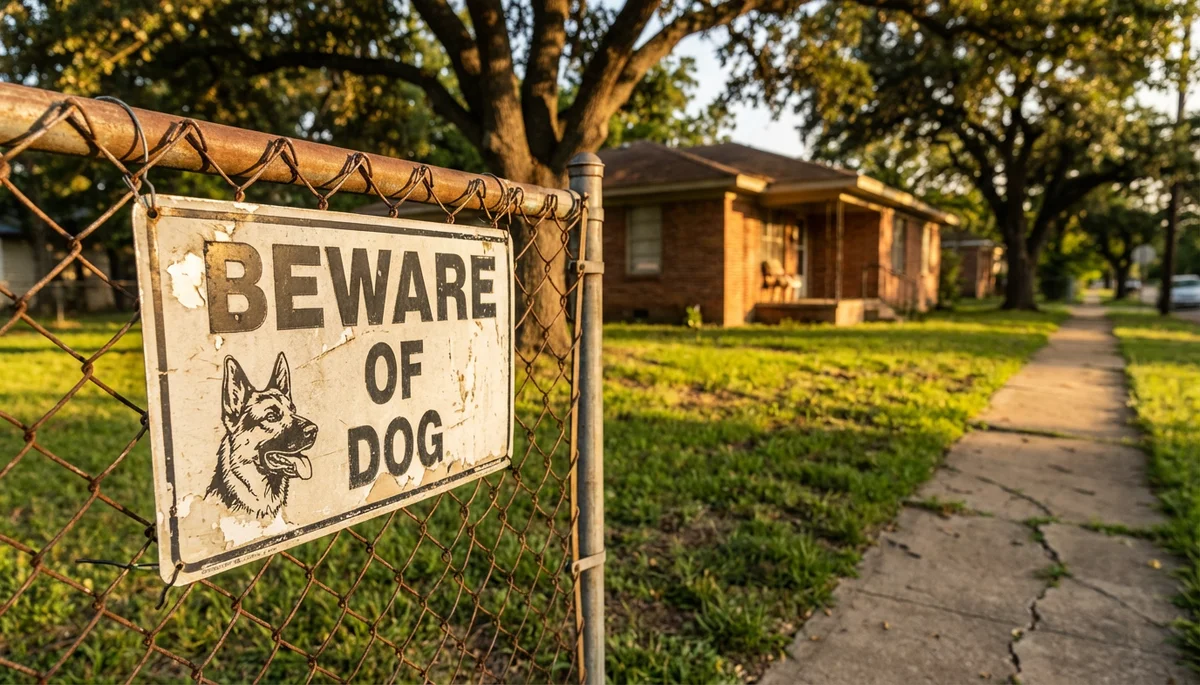
    • Warning signs like “Beware of Dog” (these can actually be used as evidence that the owner knew the dog was dangerous)
    • Breed-specific behavior patterns (though this is a sensitive area in court)

    The owner doesn’t have to have actual knowledge. Constructive knowledge — what they should have known if they were paying reasonable attention — is enough.

    Ryan’s Insider Perspective

    When I defended dog bite cases on the insurance side, the first thing I’d look for was any evidence that the dog had no prior history of aggression. If the owner could show the dog had never shown dangerous tendencies, it was a strong defense under the negligence theory. Now, when I represent the injured person, I dig into the dog’s history — talking to neighbors, checking animal control records, searching for prior complaints. You’d be surprised how often there’s a trail of red flags the owner ignored.

    Beware of Dog sign on a chain-link fence in a suburban neighborhood, representing North Carolina dog bite liability

    Documenting your injuries thoroughly is essential for both strict liability and negligence dog bite claims in NC.

    Defenses dog owners raise in NC bite cases

    Knowing the defenses that will come up in your case helps you prepare. Here are the most common ones I see:

    Contributory negligence

    North Carolina follows the pure contributory negligence rule. If the defense can prove you were even 1% at fault for the attack — maybe you were taunting the dog, trespassing, or ignoring a posted warning — they’ll argue you’re barred from recovering anything. This is one of the harshest rules in the country, and it applies to dog bite cases just like it applies to car accident cases.

    Provocation

    If the dog was provoked, the owner may not be liable. Provocation is a defense under both the strict liability statute and common law negligence. But “provocation” has a specific legal meaning — it has to be something that would reasonably provoke an attack. A child petting a dog that then bites isn’t provocation. Pulling a dog’s tail repeatedly might be.

    Trespassing

    If you were trespassing on the dog owner’s property when the bite happened, your recovery may be limited or barred entirely. Property owners owe a lower duty of care to trespassers than they do to invited guests or even licensees.

    No knowledge of dangerous propensity (negligence cases only)

    In a negligence case, the owner will argue they had no idea their dog could be dangerous. This is why the investigation into the dog’s history is so critical. If the dog has a clean record and the owner can show it’s always been docile, this defense can be effective.

    What damages can you recover in a NC dog bite case?

    Dog bite injuries can be severe — deep lacerations, puncture wounds, nerve damage, scarring, broken bones, and serious infections. Children are especially vulnerable to bites on the face and neck. The damages you can recover include:

    • Medical bills (emergency treatment, surgery, plastic surgery for scarring, physical therapy, infection treatment)
    • Future medical costs if you’ll need additional treatment or revision surgery
    • Lost wages from time missed at work
    • Pain and suffering, including the physical pain and emotional trauma
    • Scarring and disfigurement — this is a significant damage category in dog bite cases, especially for facial injuries
    • Emotional distress, including PTSD, anxiety around dogs, and nightmares (particularly common in children)

    In cases involving dangerous dogs where the owner violated the requirements of N.C.G.S. 67-4.4, the court may also award punitive damages. Punitive damages are meant to punish the owner for their reckless disregard of the law and deter others from similar behavior.

    Steps to take after a dog bite in North Carolina

    If you or someone you love has been bitten by a dog, here’s what you should do:

    1. Get medical attention immediately. Dog bites carry a high risk of infection. Even a bite that looks minor on the surface can cause deep tissue damage.
    2. Report the bite to animal control. This creates an official record of the incident and may trigger an investigation into whether the dog should be declared dangerous.
    3. Document everything. Take photos of your injuries, the location where the attack happened, and the dog if possible. Get the owner’s name, address, and insurance information.
    4. Get witness contact information. If anyone saw the attack, get their names and phone numbers.
    5. Don’t give a recorded statement to the owner’s insurance company. If the owner has homeowner’s insurance, their insurer may contact you. Be polite, but don’t give a detailed statement without talking to an attorney first.
    6. Contact a dog bite attorney. An attorney can determine which legal theory applies to your case, investigate the dog’s history, and handle the insurance claim on your behalf.

    Which insurance policy covers dog bite claims?

    Most dog bite claims are covered under the dog owner’s homeowner’s or renter’s insurance policy. These policies typically include liability coverage that pays for injuries caused by the policyholder’s dog.

    There are exceptions. Some insurance companies exclude certain breeds from coverage or require separate riders for dogs with bite histories. If the owner doesn’t have homeowner’s insurance (which is more common with renters), you may need to pursue a claim directly against the individual — which can complicate collection even if you win.

    Landlords can also be liable in some situations, particularly if they knew a tenant’s dog was dangerous and failed to act. This opens up the landlord’s insurance policy as another potential source of recovery.

    Frequently asked questions

    Does North Carolina have a “one bite” rule?

    Sort of. Under the common law negligence theory, you do need to prove the owner knew or should have known their dog had dangerous tendencies. That’s where the “one bite” label comes from. But North Carolina also has strict liability under N.C.G.S. 67-4.4 for dangerous dogs and dogs running at large at night — and under strict liability, there’s no “first bite” defense. It depends on which legal theory applies to your situation.

    How long do I have to file a dog bite lawsuit in North Carolina?

    The statute of limitations for a personal injury claim in North Carolina is three years from the date of the injury (N.C.G.S. 1-52). For minors, the clock doesn’t start until they turn 18. Even so, I’d recommend contacting an attorney well before the deadline — evidence fades, witnesses move, and animal control records can be harder to obtain over time.

    Can I still recover if the dog had never bitten anyone before?

    Yes, potentially. Under the strict liability statute, prior bites aren’t required — if the dog was running at large at night or has been declared dangerous, the owner is liable regardless of the dog’s bite history. Under negligence, you’d need to show the dog had shown other aggressive tendencies even if it hadn’t actually bitten someone previously. Growling, lunging, or chasing people can all serve as evidence of a dangerous propensity.

    What if I was bitten by a dog while visiting someone’s home?

    As an invited guest (or “licensee” in legal terms), you’re owed a reasonable duty of care by the property owner. If the homeowner knew their dog was aggressive and failed to warn you or secure the dog, they’re likely liable under the negligence theory. The homeowner’s insurance policy would typically cover the claim. The analysis changes if you were trespassing, which reduces the duty of care owed to you.

    Bitten by a dog in North Carolina? I’ll evaluate your case for free and explain your legal options.

    Free Consultation
    Call 704-741-9399

    This blog post is for general informational purposes only and does not constitute legal advice. Every case is different, and outcomes depend on the specific facts and circumstances involved. Contact the Law Office of Ryan P. Duffy for a free consultation to discuss your specific situation.