

When a dog that’s already been officially declared “dangerous” bites someone, the legal landscape shifts dramatically in the victim’s favor. The owner can’t claim they had no idea their dog was aggressive. The state has already told them — in writing — that their dog poses a risk.
I spent years as an insurance defense attorney, and I can tell you that a prior dangerous dog designation is one of the hardest facts for the defense to overcome. At the Law Office of Ryan P. Duffy, I help dog bite victims across Belmont and the Charlotte area understand how North Carolina’s dangerous dog laws strengthen their injury claims.
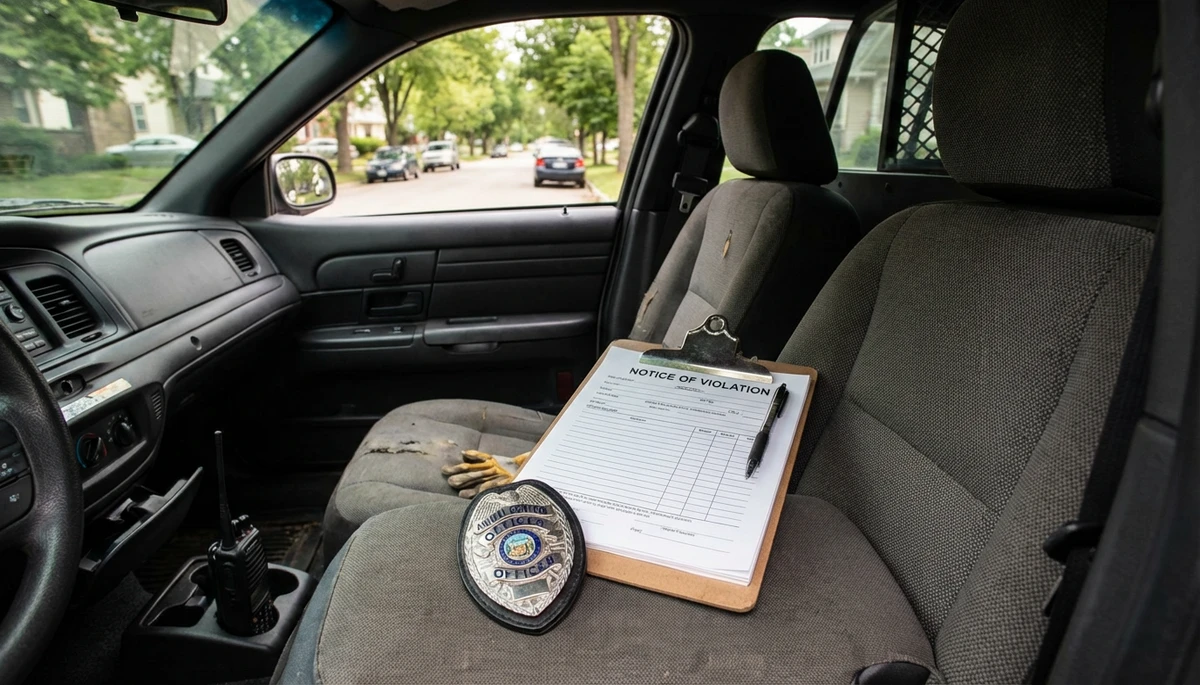
North Carolina law requires owners of designated dangerous dogs to take specific precautions to protect the public.
What makes a dog “dangerous” under North Carolina law
North Carolina’s dangerous dog statute, NCGS 67-4.1, creates two separate designations for dogs that have shown aggressive behavior: “potentially dangerous” and “dangerous.” The distinction matters for your claim.
Potentially dangerous dogs
A dog can be designated as “potentially dangerous” if it:
- Has inflicted a bite on a person that resulted in broken bones, disfiguring lacerations, or required cosmetic surgery or hospitalization
- Has killed or inflicted severe injury on a domestic animal when not on the owner’s property
- Has been determined by the person or board designated by the county or municipality to be potentially dangerous based on its behavior
Dangerous dogs
A dog receives the more serious “dangerous” designation if it:
- Has killed or inflicted severe injury on a person
- Is determined by the person or board designated by the county or municipality to be dangerous based on its behavior, posing a serious threat of bodily harm
The designation process typically starts with a complaint to local animal control. The county or municipality then holds a hearing where evidence is presented about the dog’s behavior. If the dog is designated, the owner receives written notice and a set of legal obligations they must follow.
Owner obligations after a dangerous dog designation
Once a dog has been officially designated as dangerous or potentially dangerous, North Carolina law imposes specific requirements on the owner under NCGS 67-4.2. These requirements exist to protect the public — and when an owner violates them, it strengthens your injury claim significantly.
Owners of dangerous dogs must:
- Register the dog with the local animal control authority and pay any required registration fee
- Keep the dog confined in a secure enclosure or on a leash and muzzle when outside the enclosure
- Post warning signs on their property that a dangerous dog is present — the sign must be clearly visible and placed at each entrance
- Notify animal control within 24 hours if the dog escapes, is sold, given away, or dies
- Notify the new owner in writing if the dog is transferred to someone else, and notify animal control of the transfer
- Maintain liability insurance coverage of at least $100,000 to cover injuries inflicted by the dog (for dogs designated as “dangerous”)
If a “potentially dangerous” dog that’s already been designated goes on to kill or inflict severe injury, the owner faces a Class 1 misdemeanor under North Carolina law. If a “dangerous” dog does the same, the owner could face felony charges.
How a prior designation strengthens your bite injury claim
In a standard dog bite case in North Carolina, one of the biggest hurdles is proving the owner knew or should have known their dog was dangerous. This is part of establishing negligence. The owner will often claim they had no idea their sweet, gentle pet would ever bite anyone.
A prior dangerous dog designation eliminates that argument entirely. The county or municipality has already made an official determination that the dog is dangerous. The owner received written notice. They were told what they needed to do to protect the public. If they failed to follow those requirements and someone got hurt, their negligence is extremely difficult to dispute.
Specifically, a prior designation helps your claim in these ways:
It establishes knowledge
The owner can’t claim ignorance. They were formally notified that their dog poses a danger to people. In legal terms, this satisfies the “scienter” requirement — the owner’s knowledge of the animal’s dangerous propensity.
Violations of the statute become negligence per se
If the owner failed to follow the confinement, leash, muzzle, insurance, or signage requirements under NCGS 67-4.2, that failure can constitute negligence per se. This means the owner violated a safety statute, and that violation directly led to your injury. You don’t have to separately prove they acted unreasonably — the statute violation does it for you.
It increases the value of your claim
Insurance companies know that a prior dangerous dog designation looks terrible in front of a jury. An owner who was warned that their dog was dangerous and then failed to protect the public from that dog is going to generate sympathy for the victim, not the defendant. Adjusters factor this into their settlement evaluations.
Ryan’s Insider Perspective
From my years on the defense side, I can tell you that cases involving previously designated dangerous dogs are the ones insurance companies want to settle quickly and quietly. A jury seeing that the owner was formally warned about their dog — and then someone got hurt anyway — is about as bad as it gets for the defense. If you were bitten by a dog with a prior dangerous designation, your leverage in settlement negotiations is substantial.
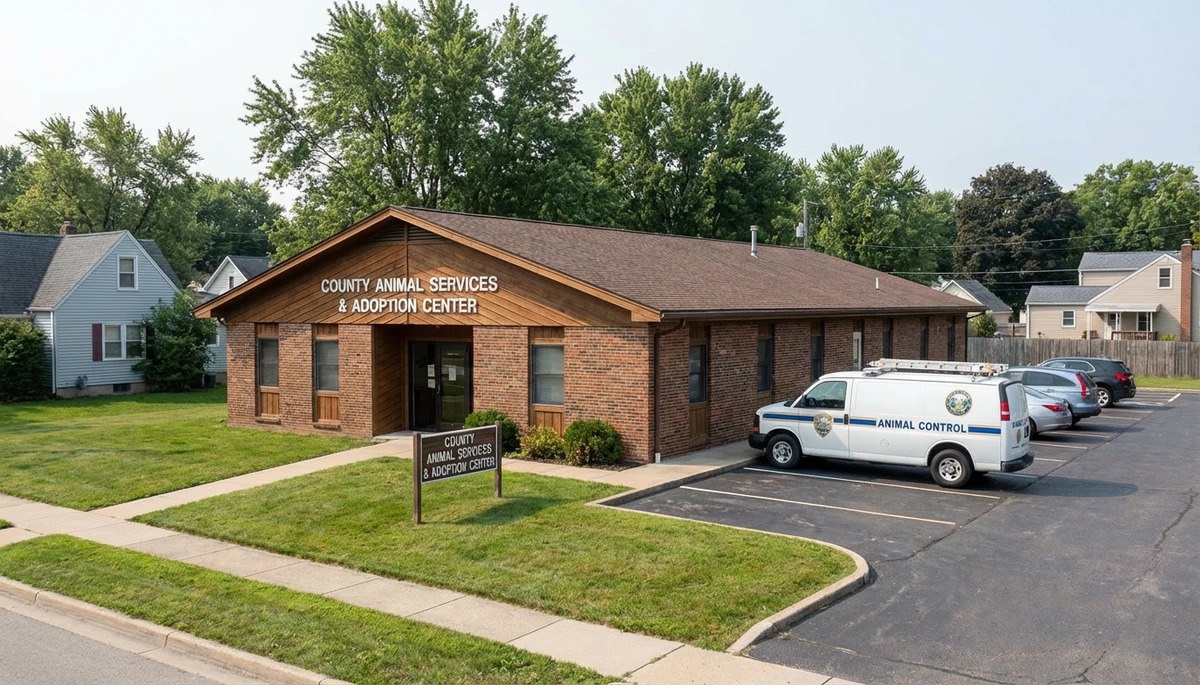
Animal control records of prior incidents are powerful evidence in dog bite injury claims.
How to find out if a dog has a prior dangerous designation
If you’ve been bitten by a dog, you should find out whether that dog has a prior dangerous or potentially dangerous designation. This information can significantly impact the strength and value of your claim.
Start with these steps:
- Contact your local animal control agency. In Gaston County, that’s Gaston County Animal Care and Enforcement. In Mecklenburg County, it’s Charlotte-Mecklenburg Animal Care & Control.
- File a formal dog bite report if you haven’t already. Animal control will investigate and check their records for prior complaints or designations involving that dog.
- Ask neighbors. People who live near the dog’s owner may know about prior incidents, complaints, or aggressive behavior that was never formally reported.
- Check court records. If a prior designation was contested, there may be records of hearings or appeals in the county court system.
An experienced dog bite attorney can also subpoena animal control records and investigate the dog’s history as part of building your case.
What if the dog doesn’t have a prior designation?
You can still bring a dog bite injury claim even if the dog has never been designated as dangerous. A prior designation makes the case stronger, but it isn’t required. North Carolina allows dog bite claims based on common law negligence, and in certain circumstances, strict liability applies under NCGS 67-4.4 when a dog was running at large at night.
Other evidence that can establish the owner’s knowledge of dangerousness includes:
- Prior bites that were reported to animal control but didn’t result in a formal designation
- Complaints from neighbors about aggressive behavior
- The dog’s breed-specific behavior patterns and the owner’s awareness of them
- The owner’s own statements about the dog’s temperament
- Evidence that the dog had lunged at, chased, or threatened people before
Be aware that North Carolina’s contributory negligence rule applies to dog bite cases too. If the insurance company can show you were partly at fault — by provoking the dog, trespassing, or ignoring warning signs — they’ll argue your claim should be barred entirely. That’s why working with an attorney who understands both sides of these cases matters.
Frequently asked questions
What’s the difference between “potentially dangerous” and “dangerous” under NC law?
A “potentially dangerous” dog has inflicted a serious bite (broken bones, disfiguring lacerations) or severely injured a domestic animal off its owner’s property. A “dangerous” dog has killed or inflicted severe injury on a person. The “dangerous” designation carries stricter requirements, including mandatory liability insurance of at least $100,000 and potential felony charges if the dog injures someone again.
Can a dangerous dog designation be appealed by the owner?
Yes. Under NCGS 67-4.1, the owner can appeal the determination to the district court within 10 days of receiving notice. The court will hold a hearing and can uphold, modify, or reverse the designation. Even if the designation was appealed, the fact that a complaint was filed and a hearing was held can still be useful evidence in your injury claim.
Does North Carolina require dangerous dog owners to carry liability insurance?
Yes — for dogs designated as “dangerous” (not just “potentially dangerous”). Under NCGS 67-4.2, the owner must maintain liability insurance of at least $100,000 to cover injuries or property damage inflicted by the dog. If the owner failed to maintain this required insurance, that’s another violation that strengthens your claim.
What should I do if I was bitten by a dog I believe has bitten someone before?
Report the bite to animal control immediately and seek medical attention. Then contact a personal injury attorney who can investigate the dog’s history. Prior bite reports, animal control records, and neighbor testimony can all be used to establish that the owner knew their dog was dangerous. Even informal prior incidents — growling, lunging, chasing — can support your claim.
Bitten by a dog with a history of aggression? I’ll investigate the dog’s record and use NC’s dangerous dog laws to build the strongest possible case for your recovery.
Find a Dog Bite Lawyer Near You
This blog post is for general informational purposes only and does not constitute legal advice. Every case is different, and outcomes depend on the specific facts and circumstances involved. Contact the Law Office of Ryan P. Duffy for a free consultation to discuss your specific situation.