

North Carolina handles dog bite cases differently than most states. Instead of a single rule that applies to every situation, NC has two separate legal theories you can use to hold a dog owner responsible: strict liability and negligence. Which one applies to your case depends on the specific circumstances of the attack — and getting this right can make or break your claim.
I’m a personal injury attorney in Belmont, NC, and I’ve handled dog bite cases under both theories. Before opening my firm to represent injured people, I worked as an insurance defense lawyer, which means I’ve also defended dog owners and their insurers. That experience on both sides gives me a clear picture of how these cases are evaluated, what defenses get raised, and what it takes to win.

North Carolina’s two-track system for dog bite liability creates opportunities — but also traps for the unprepared.
The two paths to recovery in NC dog bite cases
In North Carolina, if you’ve been bitten or attacked by a dog, you can pursue compensation through one of two legal frameworks:
- Strict liability under N.C.G.S. 67-4.4 — applies when the dog was running at large at night, or when the dog is declared “dangerous” or “potentially dangerous”
- Common law negligence — applies when you can prove the owner knew or should have known their dog was dangerous
These aren’t mutually exclusive. In some cases, both theories apply. In others, only one fits the facts. Let me walk through each one so you understand what’s involved.
Strict liability: N.C.G.S. 67-4.4 and the “dangerous dog” statute
North Carolina’s strict liability statute for dog bites is found in Chapter 67 of the General Statutes. The key provisions are N.C.G.S. 67-4.1 (definitions) and N.C.G.S. 67-4.4 (liability).
Under strict liability, the dog owner is responsible for your injuries without you having to prove they were negligent. You don’t have to show they knew the dog was dangerous. You don’t have to show they did anything wrong. If the statutory conditions are met, the owner is liable. Period.
Strict liability applies in two main situations:
Dogs running at large at night
Under N.C.G.S. 67-12, if a dog is running at large at night (defined as after sunset and before sunrise) and causes injury to a person, the owner is strictly liable. The dog doesn’t need a prior history of aggression. It doesn’t matter if the dog was the friendliest animal in the neighborhood. If it was roaming free after dark and it bit you, the owner pays.
This law dates back to an older era of North Carolina jurisprudence, but it’s still on the books and still enforceable. I’ve used it in cases where the dog had no known history of biting anyone.
Dogs classified as “dangerous” under N.C.G.S. 67-4.1
A dog can be declared “dangerous” by local animal control if it:
- Has killed or inflicted severe injury on a person
- Is determined by the county or municipal authority to be potentially dangerous because it has bitten, attacked, or been trained for fighting
Once a dog has been officially designated as dangerous, the owner is strictly liable for any injuries the dog causes going forward under N.C.G.S. 67-4.4. The statute also imposes specific requirements on owners of dangerous dogs — they must keep the dog in a secure enclosure, post warning signs, and maintain liability insurance or a surety bond of at least $100,000.
If the owner fails to comply with these requirements and the dog injures someone, the strict liability is essentially automatic.
Common law negligence: the “one bite” rule in NC
If the strict liability statute doesn’t apply — say the attack happened during the day and the dog hadn’t been officially declared dangerous — you can still recover under North Carolina’s common law negligence theory.
This is sometimes called the “one bite rule,” though that name is misleading. It doesn’t mean every dog gets one free bite. What it means is that to hold the owner liable for negligence, you have to prove they knew or should have known that their dog had dangerous propensities.
The legal elements you need to establish are:
- The dog had a dangerous propensity (a tendency to bite, attack, or act aggressively)
- The owner knew or should have known about that propensity
- The owner failed to take reasonable precautions to prevent the dog from injuring someone
- That failure caused your injuries
Proving “knowledge of dangerous propensity” is where these cases get interesting. You’re looking for evidence like:
- Prior bite incidents (even if they weren’t reported)
- Complaints from neighbors about the dog’s aggressive behavior
- The dog lunging at people, growling, or snapping
- The owner keeping the dog chained or behind a fence specifically because of its temperament
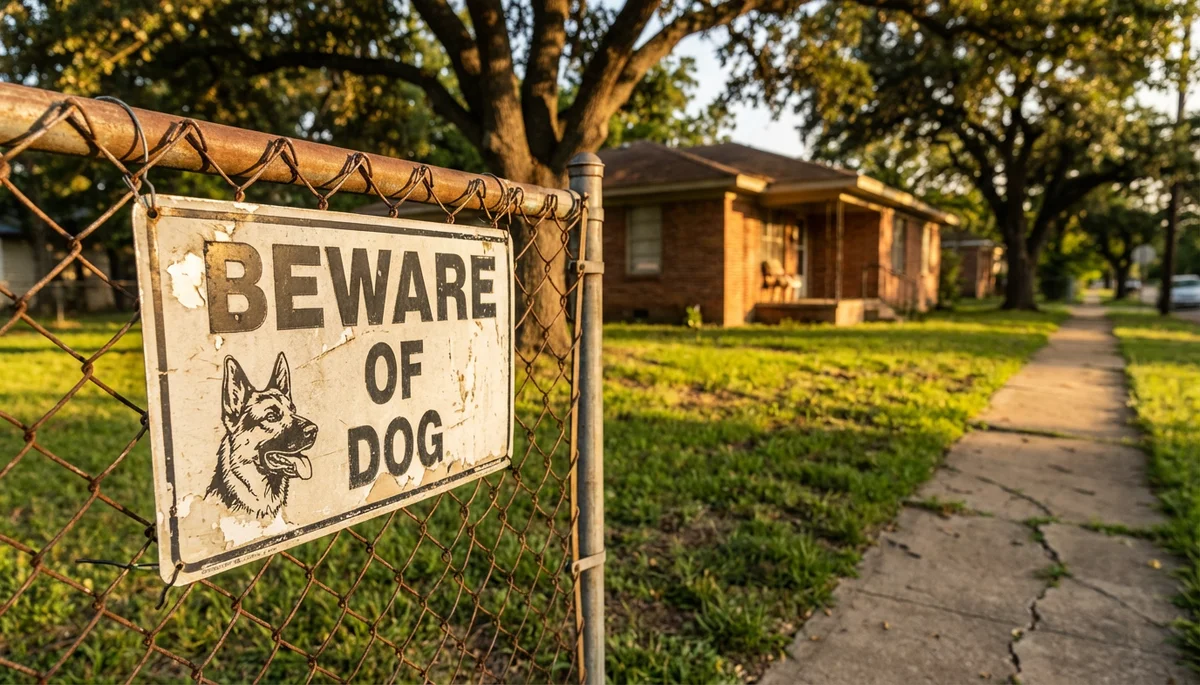
- Warning signs like “Beware of Dog” (these can actually be used as evidence that the owner knew the dog was dangerous)
- Breed-specific behavior patterns (though this is a sensitive area in court)
The owner doesn’t have to have actual knowledge. Constructive knowledge — what they should have known if they were paying reasonable attention — is enough.
Ryan’s Insider Perspective
When I defended dog bite cases on the insurance side, the first thing I’d look for was any evidence that the dog had no prior history of aggression. If the owner could show the dog had never shown dangerous tendencies, it was a strong defense under the negligence theory. Now, when I represent the injured person, I dig into the dog’s history — talking to neighbors, checking animal control records, searching for prior complaints. You’d be surprised how often there’s a trail of red flags the owner ignored.
Documenting your injuries thoroughly is essential for both strict liability and negligence dog bite claims in NC.
Defenses dog owners raise in NC bite cases
Knowing the defenses that will come up in your case helps you prepare. Here are the most common ones I see:
Contributory negligence
North Carolina follows the pure contributory negligence rule. If the defense can prove you were even 1% at fault for the attack — maybe you were taunting the dog, trespassing, or ignoring a posted warning — they’ll argue you’re barred from recovering anything. This is one of the harshest rules in the country, and it applies to dog bite cases just like it applies to car accident cases.
Provocation
If the dog was provoked, the owner may not be liable. Provocation is a defense under both the strict liability statute and common law negligence. But “provocation” has a specific legal meaning — it has to be something that would reasonably provoke an attack. A child petting a dog that then bites isn’t provocation. Pulling a dog’s tail repeatedly might be.
Trespassing
If you were trespassing on the dog owner’s property when the bite happened, your recovery may be limited or barred entirely. Property owners owe a lower duty of care to trespassers than they do to invited guests or even licensees.
No knowledge of dangerous propensity (negligence cases only)
In a negligence case, the owner will argue they had no idea their dog could be dangerous. This is why the investigation into the dog’s history is so critical. If the dog has a clean record and the owner can show it’s always been docile, this defense can be effective.
What damages can you recover in a NC dog bite case?
Dog bite injuries can be severe — deep lacerations, puncture wounds, nerve damage, scarring, broken bones, and serious infections. Children are especially vulnerable to bites on the face and neck. The damages you can recover include:
- Medical bills (emergency treatment, surgery, plastic surgery for scarring, physical therapy, infection treatment)
- Future medical costs if you’ll need additional treatment or revision surgery
- Lost wages from time missed at work
- Pain and suffering, including the physical pain and emotional trauma
- Scarring and disfigurement — this is a significant damage category in dog bite cases, especially for facial injuries
- Emotional distress, including PTSD, anxiety around dogs, and nightmares (particularly common in children)
In cases involving dangerous dogs where the owner violated the requirements of N.C.G.S. 67-4.4, the court may also award punitive damages. Punitive damages are meant to punish the owner for their reckless disregard of the law and deter others from similar behavior.
Steps to take after a dog bite in North Carolina
If you or someone you love has been bitten by a dog, here’s what you should do:
- Get medical attention immediately. Dog bites carry a high risk of infection. Even a bite that looks minor on the surface can cause deep tissue damage.
- Report the bite to animal control. This creates an official record of the incident and may trigger an investigation into whether the dog should be declared dangerous.
- Document everything. Take photos of your injuries, the location where the attack happened, and the dog if possible. Get the owner’s name, address, and insurance information.
- Get witness contact information. If anyone saw the attack, get their names and phone numbers.
- Don’t give a recorded statement to the owner’s insurance company. If the owner has homeowner’s insurance, their insurer may contact you. Be polite, but don’t give a detailed statement without talking to an attorney first.
- Contact a dog bite attorney. An attorney can determine which legal theory applies to your case, investigate the dog’s history, and handle the insurance claim on your behalf.
Which insurance policy covers dog bite claims?
Most dog bite claims are covered under the dog owner’s homeowner’s or renter’s insurance policy. These policies typically include liability coverage that pays for injuries caused by the policyholder’s dog.
There are exceptions. Some insurance companies exclude certain breeds from coverage or require separate riders for dogs with bite histories. If the owner doesn’t have homeowner’s insurance (which is more common with renters), you may need to pursue a claim directly against the individual — which can complicate collection even if you win.
Landlords can also be liable in some situations, particularly if they knew a tenant’s dog was dangerous and failed to act. This opens up the landlord’s insurance policy as another potential source of recovery.
Frequently asked questions
Does North Carolina have a “one bite” rule?
Sort of. Under the common law negligence theory, you do need to prove the owner knew or should have known their dog had dangerous tendencies. That’s where the “one bite” label comes from. But North Carolina also has strict liability under N.C.G.S. 67-4.4 for dangerous dogs and dogs running at large at night — and under strict liability, there’s no “first bite” defense. It depends on which legal theory applies to your situation.
How long do I have to file a dog bite lawsuit in North Carolina?
The statute of limitations for a personal injury claim in North Carolina is three years from the date of the injury (N.C.G.S. 1-52). For minors, the clock doesn’t start until they turn 18. Even so, I’d recommend contacting an attorney well before the deadline — evidence fades, witnesses move, and animal control records can be harder to obtain over time.
Can I still recover if the dog had never bitten anyone before?
Yes, potentially. Under the strict liability statute, prior bites aren’t required — if the dog was running at large at night or has been declared dangerous, the owner is liable regardless of the dog’s bite history. Under negligence, you’d need to show the dog had shown other aggressive tendencies even if it hadn’t actually bitten someone previously. Growling, lunging, or chasing people can all serve as evidence of a dangerous propensity.
What if I was bitten by a dog while visiting someone’s home?
As an invited guest (or “licensee” in legal terms), you’re owed a reasonable duty of care by the property owner. If the homeowner knew their dog was aggressive and failed to warn you or secure the dog, they’re likely liable under the negligence theory. The homeowner’s insurance policy would typically cover the claim. The analysis changes if you were trespassing, which reduces the duty of care owed to you.
Bitten by a dog in North Carolina? I’ll evaluate your case for free and explain your legal options.
Find a Dog Bite Lawyer Near You
This blog post is for general informational purposes only and does not constitute legal advice. Every case is different, and outcomes depend on the specific facts and circumstances involved. Contact the Law Office of Ryan P. Duffy for a free consultation to discuss your specific situation.