

A dog bite that looks minor at the emergency room can turn into a serious infection within 24 hours. I’ve seen insurance companies use delayed medical treatment as their primary weapon to reduce or deny dog bite claims — and the frustrating part is that the delay also puts your health at genuine risk.
As a former insurance defense attorney, I know exactly how adjusters evaluate dog bite infection cases. They look for gaps in treatment the same way they look for gaps in car accident care. At the Law Office of Ryan P. Duffy, I use that insider knowledge to help dog bite victims in Belmont and across North Carolina protect both their health and their right to compensation.

Dog bites carry bacteria that can cause dangerous infections if not treated promptly.
Dog bites are more dangerous than most people realize
People tend to think of dog bites the way they think of cuts or scrapes — clean it up, slap a bandage on it, and move on. That’s a mistake. A dog’s mouth harbors dozens of bacterial species that can cause rapid, aggressive infections in human tissue.
According to the American Academy of Pediatrics, roughly 15 to 20 percent of dog bite wounds become infected. That number climbs significantly for bites to the hands, feet, and face, where blood flow patterns make it harder for your immune system to fight off bacteria.
The most common infections from dog bites include:
- Pasteurella — found in over 50 percent of infected dog bite wounds. Symptoms can appear within hours, including redness, swelling, and discharge from the wound.
- Staphylococcus and MRSA — staph bacteria that can cause skin infections, abscesses, and in severe cases, bloodstream infections that require hospitalization.
- Capnocytophaga — a bacterium that can cause life-threatening sepsis, particularly in people with weakened immune systems.
- Rabies — rare in domestic dogs but still a concern, especially with stray or unvaccinated animals. Rabies is almost always fatal once symptoms appear.
- Tetanus — deep puncture wounds from dog bites create the low-oxygen environment where tetanus bacteria thrive.
Puncture wounds are especially problematic. A dog’s teeth push bacteria deep into tissue and then the skin closes over the top, trapping the infection underneath where you can’t see it developing.
What proper medical treatment looks like after a dog bite
If you’ve been bitten by a dog, get to an urgent care or emergency room as soon as possible — ideally within a few hours. Don’t wait to see if the wound “gets worse.” By the time visible infection sets in, the bacteria have had a significant head start.
Proper medical treatment for a dog bite typically involves:
- Thorough wound irrigation — flushing the bite with saline or antiseptic solution to remove as much bacteria as possible
- Assessment of tissue damage — checking for torn muscles, damaged tendons, or fractured bones underneath the bite
- Prophylactic antibiotics — most doctors will prescribe antibiotics before infection develops, especially for puncture wounds, hand bites, or bites in patients with diabetes or immune deficiencies
- Tetanus booster if your vaccination isn’t current
- Rabies post-exposure prophylaxis if the dog’s vaccination status is unknown
- Wound closure decisions — many dog bite wounds are left open initially to allow drainage, which reduces infection risk
Follow-up visits matter too. Your doctor will want to check the wound at 24 to 48 hours and again at one week to catch any developing infection early.
How delayed treatment hurts your legal claim
From a legal standpoint, the timing of your medical treatment creates a paper trail that insurance adjusters scrutinize closely. When I worked on the defense side, gaps in treatment were one of the first things we looked for in dog bite cases.
The argument goes like this: if you were really hurt badly enough to deserve significant compensation, why did you wait three days to see a doctor? The insurance company won’t say this to your face. But it’s the argument they’ll make to reduce your settlement.
Delayed treatment creates problems in several ways:
It undermines your credibility
Adjusters and defense attorneys will argue that the gap between the bite and your doctor visit means the injury wasn’t that serious. Even if the wound later became infected and required surgery, they’ll point to those first few days of inaction as evidence that you’re exaggerating.
It creates causation disputes
When you don’t get treated right away, the insurance company can argue that something else caused your infection. Maybe you didn’t keep the wound clean. Maybe you exposed it to bacteria from a different source. Prompt treatment and clear medical records eliminate these arguments before they start.
It reduces your documented damages
Medical records are the backbone of any personal injury claim. Every doctor visit, every prescription, every diagnostic test creates documentation that supports the value of your case. Gaps in treatment mean gaps in documentation — and gaps in documentation mean lower settlement offers.
Ryan’s Insider Perspective
When I defended insurance companies in dog bite claims, delayed treatment was the easiest argument to make. Jurors understand it intuitively — if someone waits a week to see a doctor, the natural reaction is to wonder how bad the injury really was. The best way to take that weapon away from the insurance company is to get treated immediately and follow every recommendation your doctor makes.
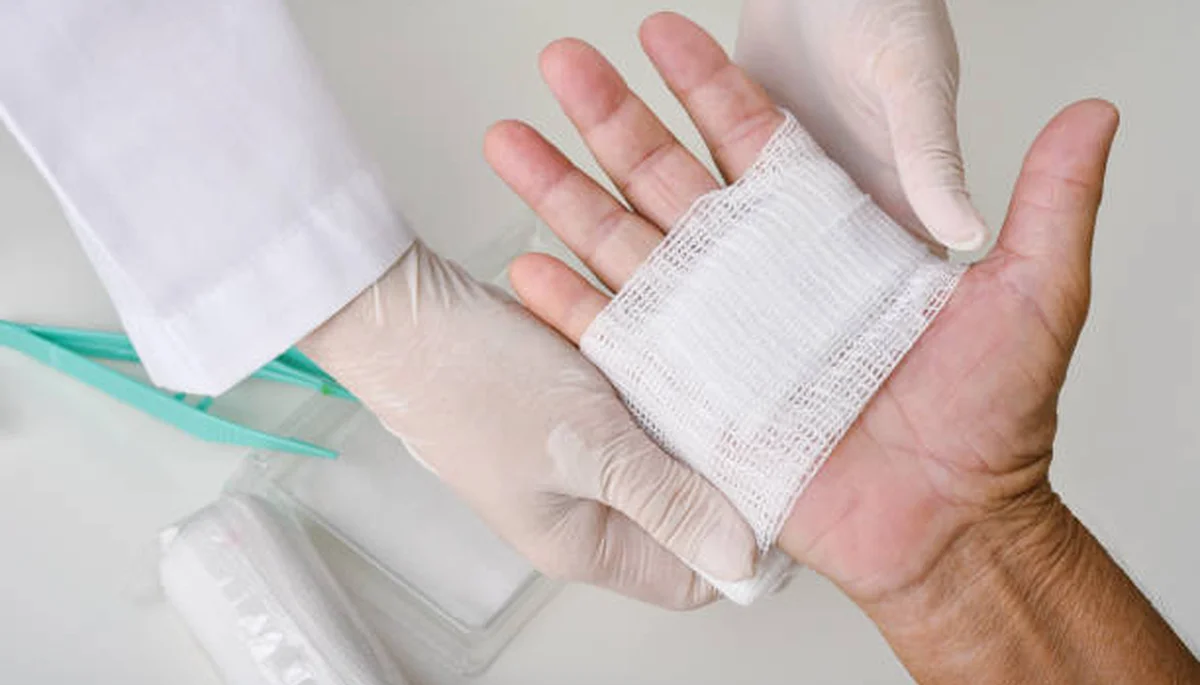
Prompt medical documentation strengthens both your recovery and your legal claim.
North Carolina dog bite liability and your infection claim
North Carolina follows a “one bite” rule for most dog bite cases, but the state also has strict liability provisions that can apply regardless of whether the dog has bitten someone before. Under NCGS 67-4.4, a dog owner is strictly liable if their dog was running at large at night and caused injury.
For other situations, your claim may rest on proving the owner knew or should have known the dog was dangerous. An infection that developed because of the bite is part of your compensable damages — but only if you can connect it directly to the bite through timely medical records.
Damages in a dog bite infection case can include:
- Emergency room and urgent care bills
- Antibiotic prescriptions and IV antibiotic treatment
- Surgical debridement or drainage of abscesses
- Hospitalization for severe infections like sepsis
- Follow-up wound care and plastic surgery for scarring
- Lost wages during recovery
- Pain and suffering, including the fear and anxiety that often follows a dog attack
If you were bitten by a dog in Belmont, Gastonia, or anywhere in the Charlotte metro area, my dog bite attorney page explains how North Carolina’s liability rules apply to your specific situation.
Steps to protect yourself after a dog bite
The first few hours and days after a dog bite set the trajectory for both your medical recovery and your legal claim. Take these steps:
- Get medical treatment immediately. Don’t wait to see how it looks tomorrow. Go to urgent care or the ER today.
- Document the wound. Take photos before it’s cleaned and bandaged, then take follow-up photos every day to show how it progresses.
- Identify the dog and its owner. Get the owner’s name, address, and phone number. Ask about the dog’s vaccination history.
- Report the bite to animal control. In Gaston County, contact the Gaston County Animal Care and Enforcement. This creates an official record and triggers a quarantine or investigation of the dog.
- Follow your doctor’s instructions completely. Take all prescribed antibiotics for the full course. Attend every follow-up appointment. Keep the wound clean and covered as directed.
- Talk to a personal injury attorney before talking to the dog owner’s insurance company. The adjuster is not trying to help you — they’re building a file to minimize your payout.
If you’re unsure what to do in the immediate aftermath of any injury, my guide on what to do after an accident in North Carolina covers the general principles that apply across all personal injury cases.
Frequently asked questions
How soon after a dog bite should I see a doctor?
As soon as possible — ideally within a few hours. Bacteria from a dog’s mouth can begin multiplying in the wound immediately. Even if the wound looks small, puncture bites push bacteria deep into tissue where topical cleaning can’t reach. Early medical intervention dramatically reduces infection risk and creates the documentation you’ll need for an insurance claim.
Can I sue for a dog bite infection in North Carolina?
Yes. An infection that develops from a dog bite is part of your compensable damages. You can recover the cost of treating the infection, any additional lost wages, and the additional pain and suffering the infection caused. The key is connecting the infection to the bite through medical records that show a clear timeline from the initial wound to the developing infection.
What if I waited a few days to get treated and now the bite is infected?
You should still see a doctor immediately and still talk to an attorney. Delayed treatment doesn’t automatically destroy your claim — it just gives the insurance company an argument to reduce it. An experienced dog bite attorney can work with your medical records to build the strongest possible case even if you didn’t get treatment on day one.
Does the dog owner’s homeowner’s insurance cover dog bite infections?
In most cases, yes. Homeowner’s and renter’s insurance policies typically include liability coverage for dog bites, including the medical costs of treating infections. Some policies exclude certain breeds or dogs with prior bite histories. The insurance company will send an adjuster to evaluate your claim — and that adjuster’s job is to pay as little as possible, not to make sure you’re fairly compensated.
Bitten by a dog? Don’t wait to get medical treatment or legal advice. I offer free consultations and handle dog bite cases on contingency — you pay nothing unless I recover compensation for you.
Find a Dog Bite Lawyer Near You
This blog post is for general informational purposes only and does not constitute legal advice. Every case is different, and outcomes depend on the specific facts and circumstances involved. Contact the Law Office of Ryan P. Duffy for a free consultation to discuss your specific situation.