
If you’ve been injured in an accident in North Carolina, there’s one legal rule that could wipe out your entire claim — even if the other driver was 99% at fault. It’s called contributory negligence, and it’s one of the harshest legal doctrines in the country.
I know how this rule works because I used to be the attorney arguing it. Before I started representing injured people, I spent years on the insurance defense side. I watched adjusters and defense lawyers use contributory negligence to deny and devalue legitimate claims every single day. Now I fight against the same tactics I was trained to use.
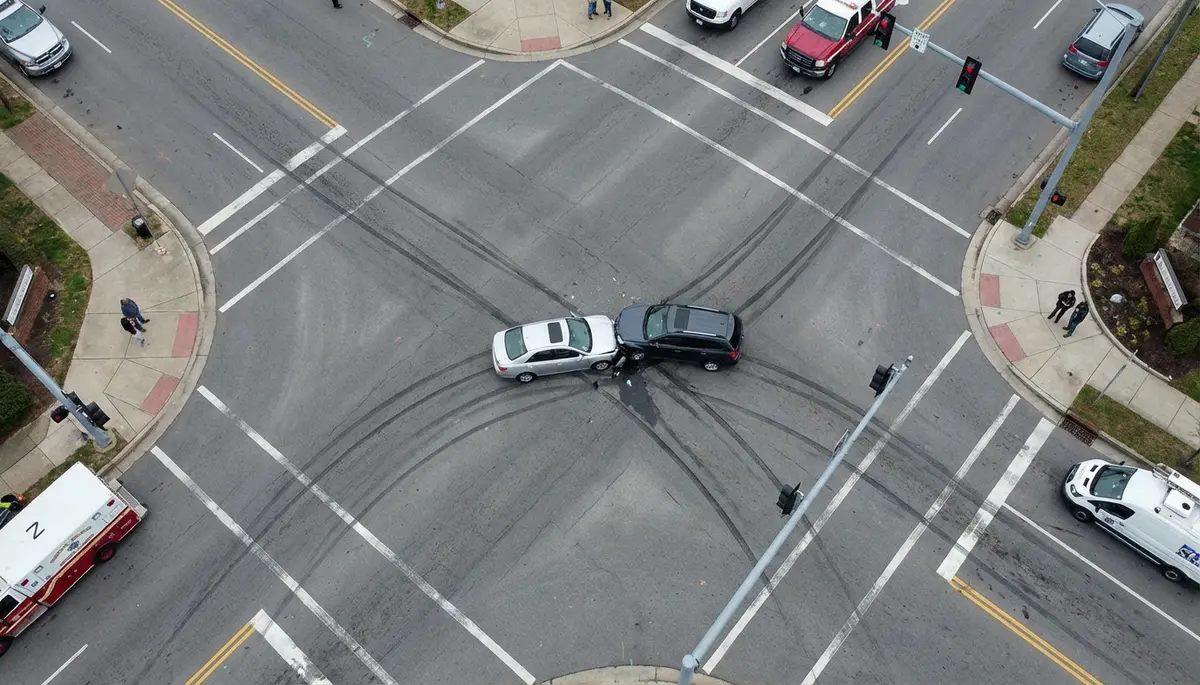
North Carolina is one of only a handful of states that still follows the pure contributory negligence rule.
What is contributory negligence?
Contributory negligence is a legal defense that says if you — the injured person — were even slightly at fault for causing the accident, you can’t recover any compensation. Not reduced compensation. Zero.
Under North Carolina General Statutes § 1-139, contributory negligence is a complete bar to recovery. That means if a jury finds you were 1% responsible for the accident and the other driver was 99% at fault, you get nothing.
Most states abandoned this rule decades ago. They moved to what’s called “comparative negligence,” where your compensation is simply reduced by your percentage of fault. If you were 20% at fault and your damages were $100,000, you’d still recover $80,000. That makes intuitive sense.
North Carolina didn’t follow the trend. We’re one of only four states (along with Alabama, Maryland, and Virginia) plus the District of Columbia that still apply pure contributory negligence. It’s an old common law rule, and the NC legislature has never changed it despite repeated attempts.
How insurance companies weaponize contributory negligence
This is where my background matters. I’ve sat in the rooms where these decisions get made.
Insurance companies in North Carolina don’t just raise contributory negligence when there’s genuine shared fault. They raise it as a default strategy on nearly every claim. The adjuster’s playbook is simple: find anything — literally anything — the injured person did that could be characterized as negligent, and use it to justify a denial or a lowball offer.
Were you going 2 mph over the speed limit? Contributory negligence. Did you glance at your phone for a second? Contributory negligence. Were you not wearing your seatbelt? They’ll argue that too, even though seatbelt use in NC has specific rules about admissibility.
The insurance company doesn’t have to prove you were actually negligent at this stage. They just need enough of an argument to scare you into accepting less money or walking away entirely. And it works. I saw it work hundreds of times from the defense side.
Ryan’s Insider Perspective
When I worked defense, we had a name for the contributory negligence argument on borderline cases — we called it the “one-percent defense.” It didn’t matter if the evidence was thin. If we could plant any doubt about the plaintiff’s conduct, it changed the entire negotiation dynamic. The threat of a total bar to recovery is so severe that many injured people settle for a fraction of what their case is worth just to avoid the risk. That’s exactly what the insurance company is counting on.
Common scenarios where contributory negligence comes up
Some accident types are more vulnerable to this defense than others. If you’ve been in any of these situations, you need to understand how the insurance company will try to use your own conduct against you.
Intersection accidents
The other driver ran a red light, but the insurance company argues you should have seen them coming and could have avoided the collision. They’ll claim you weren’t keeping a proper lookout. This argument comes up constantly, and it’s one of the most frustrating for people who were clearly not at fault.
Rear-end collisions
You’d think a rear-end collision would be straightforward — the following driver hit you from behind. But insurance companies will argue you stopped short, your brake lights weren’t working, or you were “brake checking.” Even in clear-cut rear-end cases, expect this defense to show up.
Speeding or distracted driving allegations
If there’s any evidence you were going over the speed limit or might have been distracted, the defense will grab onto it. They’ll pull your phone records. They’ll look at the accident reconstruction data. They’re not just defending the case — they’re building a contributory negligence argument from day one.
Pedestrian and bicycle accidents
A driver hits a pedestrian in a crosswalk, and the insurance company argues